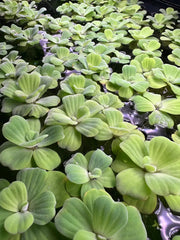
Water Lettuce Plant Care Guide (Pistia Stratiotes)
Water Lettuce (Pistia stratiotes) is one of the most striking floating plants available to aquarium hobbyists. With its rosette of soft, velvety, light-green leaves and dramatic trailing root systems, Water Lettuce creates a unique aesthetic that few other floating plants can match. Found naturally in tropical and subtropical regions worldwide, this plant resembles a small floating head of lettuce, hence its common name. Water Lettuce is highly effective at absorbing excess nutrients, providing cover for fish and shrimp, and adding a touch of natural beauty to ponds, aquaria, and paludariums. Note that Water Lettuce is restricted or prohibited in some U.S. states, so always confirm legality before ordering.
Water Lettuce Plant Overview
-
Common Name: Water Lettuce, Water Cabbage, Nile Cabbage
-
Scientific Name: Pistia stratiotes
-
Origin: Worldwide tropical and subtropical regions
-
Placement: Floating (water surface)
-
Maximum Rosette Size: 2–4 inches (aquarium variety)
-
Growth Rate: Fast
-
Care Level: Easy
-
Lighting Requirements: Medium to High
-
CO2 Requirements: Not required
-
Temperature: 70–86°F
-
pH Range: 6.0–7.5
A smaller "dwarf" variety is most commonly sold in the aquarium hobby, ideal for indoor tanks rather than large outdoor ponds.
Why Water Lettuce Is One of the Best Floating Plants
Water Lettuce stands out among floating plants for its dramatic appearance, exceptional nutrient absorption, and ability to provide shelter for fish and fry.
Benefits of Water Lettuce include:
-
Highly effective at absorbing nitrates and other excess nutrients
-
Provides dense surface cover and shade
-
Long trailing roots offer ideal shelter for fry and shrimp
-
Striking visual appearance from above the tank
-
Helps suppress algae through nutrient competition
-
Compatible with most peaceful freshwater species
Water Lettuce Lighting & CO2 Requirements
Lighting is the most critical factor for healthy Water Lettuce growth. As a surface plant, it requires moderate to strong light to thrive.
For best results:
-
Use medium to high planted tank lighting
-
Provide 8–10 hours of daily lighting
-
Maintain high humidity above the water surface
-
Keep glass lids closed to retain warmth and moisture
CO2 injection is unnecessary because Water Lettuce accesses atmospheric CO2 directly. However, comprehensive liquid fertilizers significantly improve growth and color.
Without CO2
With Strong Lighting and Fertilization
Best Water Conditions for Water Lettuce
As a floating plant, water surface conditions matter most. Water Lettuce thrives in stable, warm conditions with calm surface water.
Recommended water conditions include:
-
Stable temperature between 70–86°F
-
High humidity above the water surface
-
Calm, low-agitation water surface
-
Regular liquid fertilizer dosing
Splashing water and high surface agitation damage the velvety leaves and cause rotting.
How to Add Water Lettuce to Your Aquarium
To introduce Water Lettuce successfully:
-
Rinse the plants gently in dechlorinated water
-
Place on the water surface in a calm area
-
Avoid placing under filter outputs or air stones
-
Keep glass lids closed to maintain humidity
-
Allow time for adjustment to your tank's lighting
The plants will rapidly produce new rosettes through underwater runners.
Water Lettuce Maintenance
Water Lettuce grows quickly and requires regular thinning to prevent total surface coverage.
Maintenance tips:
-
Remove excess plants weekly to maintain 30–50% surface coverage
-
Trim excessively long roots if they interfere with other plants
-
Dose comprehensive liquid fertilizer for vibrant color
-
Dry hands before handling to protect the leaf coating
Excess plants can be composted, shared, or removed entirely.
Ideal Tank Mates for Water Lettuce
Water Lettuce thrives in peaceful tanks and provides excellent surface cover for many species.
Compatible tank mates include:
-
Bettas (who love the surface shade)
-
Gouramis and other labyrinth fish
-
Killifish
-
Cherry Shrimp and other freshwater shrimp
-
Tetras and Rasboras
-
Corydoras Catfish
Avoid goldfish, large herbivorous cichlids, and turtles that will rapidly destroy the plants.
Common Water Lettuce Problems
Yellowing or Pale Leaves
Indicates nutrient deficiency. Increase comprehensive liquid fertilizer dosing.
Rotting Leaves
Caused by water splashing onto the leaves from filter outputs. Reduce surface agitation.
Slow Reproduction
Suggests insufficient light or low humidity. Increase light intensity and keep the tank covered.
Roots Reaching the Substrate
A sign of vigorous health, but the roots may tangle with other plants. Trim as needed.
Final Thoughts
Water Lettuce is one of the most attractive and beneficial floating plants for freshwater aquariums. Its lush rosettes, trailing roots, and superior nutrient absorption make it a favorite among aquascapers and breeders alike. With proper lighting, humidity, and calm water conditions, Water Lettuce will quickly become an integral part of your aquarium's ecosystem, providing beauty and biological filtration in equal measure. Always check local regulations before ordering, as it is restricted in some areas due to its invasive potential outdoors.
Looking to add a dramatic floating plant to your tank? Browse AquaticMotiv's collection of live floating plants, Water Lettuce rosettes, and premium aquatic plants shipped directly to your door.