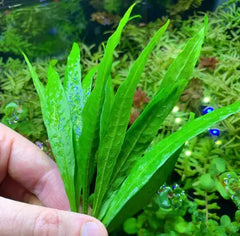
Java Fern Plant Care Guide (Microsorum pteropus)
Java Fern (Microsorum pteropus) is one of the most popular and beginner-friendly freshwater aquarium plants in the world. Native to Southeast Asia, this hardy rhizome plant is celebrated for its distinctive elongated leaves, low light requirements, and remarkable adaptability. Java Fern grows attached to hardscape rather than planted in substrate, making it ideal for aquascapes featuring driftwood, lava rock, or other porous surfaces. Its tolerance for a wide range of water conditions and its resistance to herbivorous fish make Java Fern an essential plant for community tanks, cichlid setups, and aquascapes of all skill levels. Critical care note: Java Fern must never have its rhizome buried in substrate, as this will cause the plant to rot and die.
Java Fern Plant Overview
-
Common Name: Java Fern
-
Scientific Name: Microsorum pteropus
-
Origin: Southeast Asia
-
Placement: Midground, Background
-
Maximum Height: 8–13 inches
-
Growth Rate: Slow
-
Care Level: Very Easy
-
Lighting Requirements: Low to Medium
-
CO2 Requirements: Not required
-
Temperature: 68–82°F
-
pH Range: 6.0–7.5
Java Fern attaches itself to hardscape using fine, hair-like rhizoids, eventually becoming a permanent fixture in the aquarium.
Why Java Fern Is One of the Best Aquarium Plants
Java Fern's hardiness and unique attachment growth habit make it a cornerstone plant in the aquarium hobby. It is one of the few aquarium plants that can survive in nearly any freshwater setup.
Benefits of Java Fern include:
-
Extremely hardy and beginner-friendly
-
Thrives in low light without CO2
-
Resistant to most herbivorous fish
-
Adds vertical structure to aquascapes
-
Compatible with cichlid and community tanks
-
Long-lived with minimal maintenance
Java Fern Lighting & CO2 Requirements
Java Fern prefers low to medium lighting and can actually be damaged by excessive light intensity. Strong lighting may cause leaf burn or accelerate algae growth on its slow-growing fronds.
For best results:
-
Provide low to medium aquarium lighting
-
Maintain a consistent photoperiod of 6–8 hours
-
Avoid placing under direct high-intensity lights
Java Fern is one of the best plants for shaded, low-light areas of an aquarium.
CO2 is not required for Java Fern, though it can encourage slightly faster growth in high-tech setups.
Without CO2
With CO2
-
Slightly faster growth rate
-
Improved leaf density
-
Better resistance to algae
-
Brighter green coloration
Java Fern's slow growth makes CO2 supplementation optional rather than necessary.
Best Placement for Java Fern
Java Fern should never be planted in substrate. Instead, it must be attached to hardscape, where its rhizome can grow freely.
Attachment recommendations include:
Tie the rhizome down with thread, fishing line, or super glue gel until it attaches naturally over several weeks.
How to Attach Java Fern
To attach Java Fern successfully:
-
Select a piece of driftwood or porous rock
-
Position the rhizome flat against the hardscape
-
Secure with thread, fishing line, or aquarium-safe super glue gel
-
Ensure the rhizome remains fully exposed to water
-
Remove ties once roots have anchored (4–8 weeks)
Once attached, Java Fern becomes a permanent and self-sustaining feature.
Java Fern Maintenance
Java Fern is one of the lowest-maintenance aquarium plants available. It requires only occasional pruning and basic water care.
Maintenance tips:
-
Remove old, blackened, or damaged leaves
-
Trim baby plantlets from leaves to propagate
-
Dose comprehensive liquid fertilizer monthly
-
Perform regular water changes
Healthy Java Fern produces small plantlets along its leaf edges, which can be removed and attached elsewhere.
Ideal Tank Mates for Java Fern
Java Fern's tough leaves make it compatible with a wide variety of fish, including species that typically eat or damage other plants.
Compatible tank mates include:
Java Fern is one of the few plants that can survive in cichlid tanks and goldfish aquariums.
Common Java Fern Problems
Black Spots on Leaves
May indicate either a nutrient deficiency or the formation of plantlets. Black spots accompanied by tiny new leaves are reproductive structures, not disease.
Rotting Rhizome
Caused by burying the rhizome in substrate. Reattach to hardscape immediately to save the plant.
Brown or Translucent Leaves
Often caused by excessive lighting or nutrient deficiency.
Slow Growth
Java Fern is naturally slow-growing. Be patient and avoid over-fertilizing or overlighting the tank.
Final Thoughts
Java Fern is one of the most reliable, low-maintenance freshwater aquarium plants for beginners and experienced aquarists alike. Its tolerance for low light, lack of CO2 requirements, and resistance to herbivorous fish make it a versatile choice for nearly any freshwater setup. With proper attachment to hardscape, basic fertilization, and minimal maintenance, Java Fern will thrive for years and become a centerpiece of your planted aquarium.
Looking to add a hardy, attractive plant to your aquascape? Browse AquaticMotiv's collection of live aquarium plants and rhizome species for healthy, aquarium-ready plants shipped directly to your door.