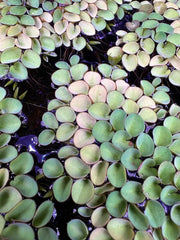
Salvinia Cucullata Plant Care Guide (Asian Watermoss)
Salvinia Cucullata, commonly known as Asian Watermoss, is a captivating floating aquarium plant native to Southeast Asia. With its distinctive cup-shaped leaves that curl upward to form pocket-like structures, Salvinia cucullata adds dramatic texture and visual interest to the water surface unlike any other floating species. The leaves are covered in fine, water-repellent hairs that give them a soft, velvety appearance and prevent water damage. Salvinia cucullata is a favorite among aquascapers seeking a unique surface plant that combines beauty, biological filtration, and shelter for fish and shrimp in a low-maintenance package.
Salvinia Cucullata Plant Overview
-
Common Name: Asian Watermoss, Cupped Salvinia
-
Scientific Name: Salvinia cucullata
-
Origin: Southeast Asia
-
Placement: Floating (water surface)
-
Maximum Leaf Size: 0.5–1.5 inches
-
Growth Rate: Moderate to Fast
-
Care Level: Easy
-
Lighting Requirements: Medium to High
-
CO2 Requirements: Not required
-
Temperature: 68–82°F
-
pH Range: 6.0–7.5
Salvinia cucullata is a true aquatic fern, reproducing through spores in the wild and through fragmentation in aquariums.
Why Salvinia Cucullata Is One of the Best Floating Plants
Salvinia cucullata stands apart from other floating plants thanks to its remarkable leaf structure and easy care profile. The cupped leaves create natural pockets that catch light and shade the water below in interesting patterns.
Benefits of Salvinia cucullata include:
-
Unique cup-shaped leaves provide stunning visual texture
-
Reduces algae growth by absorbing excess nutrients
-
Provides ideal cover for shy fish and shrimp
-
Less invasive than duckweed and easier to manage
-
Excellent for shrimp breeding tanks
-
Pairs beautifully with other floating plants
Salvinia Cucullata Lighting & CO2 Requirements
Lighting is the most important factor for healthy Salvinia growth. As a surface plant, it sits close to the light source and benefits from medium to high intensity illumination.
For best results:
-
Use medium to high planted tank lighting
-
Provide 8–10 hours of daily lighting
-
Maintain calm water surface conditions
-
Keep humidity high under glass lids when possible
CO2 injection is not necessary because Salvinia cucullata accesses atmospheric CO2 directly through its emersed leaves. However, comprehensive liquid fertilizers significantly improve growth speed and color.
Without CO2
With High Lighting and Fertilization
Best Water Conditions for Salvinia Cucullata
Since Salvinia cucullata is a floating plant, water surface conditions matter far more than substrate. The plant absorbs nutrients from the water column through its trailing root structures.
Recommended water conditions include:
-
Stable temperature between 68–82°F
-
Calm, low-agitation water surface
-
High humidity in the air gap above the water
-
Regular liquid fertilizer dosing
Excessive surface flow or splashing water can damage the water-repellent coating on the leaves and lead to rot.
How to Add Salvinia Cucullata to Your Aquarium
To introduce Salvinia cucullata successfully:
-
Rinse the plants gently in dechlorinated water
-
Float on the surface in a calm area of the tank
-
Reduce filter output flow if surface agitation is heavy
-
Keep glass lids closed to maintain humidity
-
Allow time for adjustment to your tank's lighting
The plant will spread quickly across the surface by producing new fronds from existing ones.
Salvinia Cucullata Maintenance
Floating plants require periodic thinning to prevent total surface coverage from blocking light to submerged plants below.
Maintenance tips:
-
Remove excess plants weekly to maintain 30–60% surface coverage
-
Dry your hands before handling to protect the leaf coating
-
Dose comprehensive liquid fertilizer for vibrant color
-
Remove yellowed or melting fronds promptly
Excess plants can be shared, composted, or removed entirely to maintain balance.
Ideal Tank Mates for Salvinia Cucullata
Salvinia cucullata thrives in peaceful planted tanks and provides excellent surface cover for many species.
Compatible tank mates include:
Avoid goldfish, large cichlids, and any species that aggressively eats or disturbs floating plants.
Common Salvinia Cucullata Problems
Leaves Lying Flat Instead of Cupping
The cupped appearance develops with high humidity, strong lighting, and dense colonies. Wait for the colony to mature.
Melting or Rotting Fronds
Caused by water splashing onto the leaves. Reduce surface agitation and keep the leaves dry.
Yellowing or Pale Leaves
Indicates nutrient deficiency, often iron. Increase comprehensive fertilizer dosing.
Slow Spread
Suggests insufficient light or low humidity. Increase light intensity and keep the tank covered.
Final Thoughts
Salvinia cucullata is a remarkable floating plant that adds a unique sculptural element to any freshwater aquarium. Its cupped leaves, soft texture, and natural growth habit make it stand out from common floating species. With proper lighting, calm water, and consistent fertilization, Salvinia cucullata provides shade, biological filtration, and stunning visual appeal that elevates the entire tank.
Looking to add character to your aquarium surface? Browse AquaticMotiv's collection of live floating plants, Salvinia varieties, and premium aquatic plants shipped directly to your door.