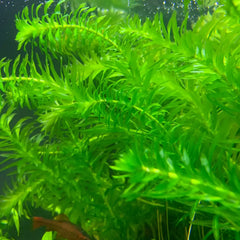
Anacharis Plant Care Guide (Egeria Densa)
Anacharis (Egeria densa) is one of the most widely recognized and beginner-friendly stem plants in the freshwater aquarium hobby. Native to South America, this fast-growing background plant is treasured for its long flowing stems, whorls of bright green leaves, and exceptional water-purifying abilities. Anacharis grows rapidly under most aquarium conditions, helping to outcompete algae, oxygenate the water, and provide cover for fish and invertebrates. Whether you keep a tropical community tank, goldfish aquarium, or temperate setup, Anacharis is one of the most reliable plants you can add to your aquascape.
Anacharis Plant Overview
-
Common Name: Anacharis, Brazilian Waterweed, Elodea
-
Scientific Name: Egeria densa
-
Origin: South America
-
Placement: Background, Midground, or Floating
-
Maximum Height: Up to 24 inches or more
-
Growth Rate: Fast
-
Care Level: Very Easy
-
Lighting Requirements: Low to High
-
CO2 Requirements: Not required
-
Temperature: 60–82°F
-
pH Range: 6.5–7.5
Anacharis is sometimes confused with Elodea canadensis and Egeria najas, but Egeria densa is the most common form sold in the aquarium hobby.
Why Anacharis Is One of the Best Aquarium Plants for Beginners
Anacharis has become a staple in the hobby because of its remarkable adaptability and water-improving qualities. It is one of the fastest-growing plants in the aquarium trade and is highly effective at absorbing excess nutrients.
Benefits of Anacharis include:
-
Rapidly absorbs nitrates, ammonia, and phosphates
-
Releases significant oxygen during photosynthesis
-
Helps prevent algae growth by outcompeting it for nutrients
-
Tolerates cold water, making it suitable for goldfish tanks
-
Easy to propagate by cuttings
-
Provides excellent cover for fry and small fish
Anacharis Lighting & CO2 Requirements
Anacharis is adaptable to a wide range of lighting conditions but performs best under moderate light. Insufficient light will cause the plant to become leggy, with sparse leaves and elongated stems.
For best results:
-
Use low to moderate planted tank lighting
-
Provide 8–10 hours of light daily
-
Combine with consistent fertilization for best growth
CO2 injection is not required and is rarely used for Anacharis since the plant already grows rapidly without it. The plant prefers cooler, well-circulated water with stable nutrient levels.
Without CO2
With CO2
Best Substrate for Anacharis
Anacharis can be planted in substrate or left floating, since it absorbs most of its nutrients directly from the water column.
Recommended approaches include:
-
Fine gravel or aquasoil for planted stems
-
Sand for delicate root anchoring
-
Floating placement for goldfish or fry tanks
If planted, supplementing with liquid fertilizer is far more important than substrate type.
How to Plant Anacharis
To plant Anacharis successfully:
-
Trim the bottom of each stem to expose fresh tissue
-
Bury 1–2 inches of stem into the substrate
-
Plant stems individually rather than in clumps
-
Space stems about 1 inch apart for a dense look
-
Optionally weight bunches with plant anchors
Stems can also be left floating to provide surface cover and shrimp-friendly habitat.
Anacharis Maintenance
Because Anacharis grows so quickly, regular trimming is essential to prevent overgrowth and stem rot at the base.
Maintenance tips:
-
Trim stems every 1–3 weeks
-
Replant the freshly cut tops for denser bunches
-
Remove stems that yellow or rot at the base
-
Dose comprehensive liquid fertilizer regularly
The cuttings can be replanted to expand your aquascape or shared with other aquarists.
Ideal Tank Mates for Anacharis
Anacharis pairs well with peaceful community fish, cold-water species, and even goldfish, although goldfish may eat the plant over time.
Compatible tank mates include:
-
Tetras and Rasboras
-
Guppies, Mollies, and Platies
-
Cherry Shrimp and Amano Shrimp
-
Corydoras Catfish
-
White Cloud Mountain Minnows
-
Goldfish (as a feeder plant or alongside snacking)
Avoid herbivorous cichlids and crayfish that may aggressively destroy stems.
Common Anacharis Problems
Stems Rotting at the Base
Often caused by burying stems too deep or poor water circulation. Plant shallowly and improve flow.
Leggy, Sparse Growth
Indicates insufficient lighting. Increase light intensity or duration.
Yellowing Leaves
Suggests nutrient deficiency, particularly iron. Add a comprehensive liquid fertilizer.
Melting After Introduction
Common when transitioning from emersed to submerged growth. New leaves will replace the melted ones.
Final Thoughts
Anacharis is an exceptional aquarium plant for hobbyists at every experience level. Its fast growth, water-purifying ability, and tolerance for varied conditions make it one of the most reliable background plants in the freshwater aquarium hobby. Whether you are battling algae, oxygenating a goldfish tank, or building a lush green backdrop in a community aquarium, Anacharis delivers strong results with minimal effort.
Looking to add a hardy background plant to your aquascape? Browse AquaticMotiv's collection of live aquarium plants, Anacharis bunches, and aquatic stem plants shipped directly to your door.