Red Tiger Lotus Plant Care Guide (Nymphaea Zenkeri)
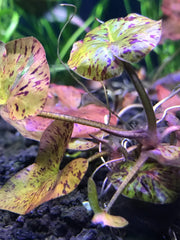
Red Tiger Lotus (Nymphaea zenkeri) is one of the most visually arresting plants in the freshwater aquarium hobby. Native to West Africa, this bulb plant produces dramatic red and burgundy leaves marked with darker spots that resemble a tiger's coat, hence its common name. Whether used as a striking centerpiece or allowed to develop floating lily pads at the surface, Red Tiger Lotus brings unmatched color and architectural impact to any planted aquarium. Its deep red foliage stands out beautifully against green plants, making it a favorite focal point in Dutch-style aquascapes, nature aquariums, and biotope setups.
Red Tiger Lotus Plant Overview
-
Common Name: Red Tiger Lotus
-
Scientific Name: Nymphaea zenkeri (often sold as Nymphaea lotus 'Red')
-
Origin: West Africa
-
Placement: Midground, Centerpiece
-
Maximum Height: 12–24 inches
-
Growth Rate: Moderate to Fast
-
Care Level: Easy to Moderate
-
Lighting Requirements: Medium to High
-
CO2 Requirements: Not required, but beneficial
-
Temperature: 72–82°F
-
pH Range: 6.0–7.5
Red Tiger Lotus grows from a bulb and produces both submerged leaves and surface-floating lily pads when allowed to mature.
Why Red Tiger Lotus Is One of the Best Centerpiece Plants
Red Tiger Lotus is a top choice for aquascapers seeking a single dramatic plant to anchor their layout. Its colors, leaf shapes, and growth habit are unmatched among common aquarium plants.
Benefits of Red Tiger Lotus include:
-
Vibrant red to burgundy foliage with tiger-pattern spots
-
Stunning focal point in any aquascape
-
Produces beautiful floating lily pads when allowed to grow tall
-
Can flower above the water surface in optimal conditions
-
Compatible with most peaceful community fish
-
Easy to grow from a single bulb
Red Tiger Lotus Lighting & CO2 Requirements
Lighting is the most important factor for developing the signature red coloration of this plant. Under low light, leaves turn green; under strong light, they deepen to brilliant red.
For best results:
-
Use medium to high planted tank lighting
-
Provide 8–10 hours of daily lighting
-
Pair stronger lighting with nutrient supplementation
-
Position so light reaches both surface and substrate
CO2 injection is not required but greatly improves growth speed, leaf size, and coloration. The plant remains attractive in low-tech tanks as well.
Without CO2
With CO2
-
Larger, more vibrant leaves
-
Faster floating lily pad development
-
Deeper red pigmentation
-
Higher chance of surface flowering
Best Substrate for Red Tiger Lotus
As a bulb plant, Red Tiger Lotus benefits enormously from nutrient-rich substrate or root tab supplementation. Root feeding is the primary way it draws nutrition.
Recommended substrate types include:
A monthly root tab placement near the bulb is highly recommended for sustained vigor.
How to Plant Red Tiger Lotus
To plant Red Tiger Lotus successfully:
-
Press the bulb gently into the substrate with the pointed sprouting end facing up
-
Bury only the bottom half of the bulb, leaving the top exposed
-
Place root tabs near the bulb at planting
-
Allow 1–4 weeks for the first leaves to emerge from the bulb
-
Be patient with dormant bulbs—they often sprout suddenly
Burying the entire bulb is a common mistake that can lead to bulb rot and plant failure.
Red Tiger Lotus Maintenance
Red Tiger Lotus requires minimal but strategic maintenance, particularly to control whether it produces submerged leaves or floating lily pads.
Maintenance tips:
-
Trim long stems at the base to prevent floating pad formation
-
Remove yellowed or damaged leaves promptly
-
Replenish root tabs every 1–2 months
-
Dose comprehensive liquid fertilizer with iron and trace elements
Letting some leaves reach the surface as lily pads can be visually stunning but blocks light to plants below.
Ideal Tank Mates for Red Tiger Lotus
Red Tiger Lotus pairs well with most peaceful freshwater community species.
Compatible tank mates include:
-
Tetras, Rasboras, and Danios
-
Angelfish and Discus
-
Mollies, Platies, Guppies, and Swordtails
-
Corydoras Catfish
-
Otocinclus
-
Cherry Shrimp (when leaves are large enough to avoid being eaten)
Avoid plant-eating cichlids, goldfish, and crayfish that may damage the bulb or leaves.
Common Red Tiger Lotus Problems
Bulb Not Sprouting
Some bulbs are dormant when shipped. Place in substrate and wait 4–6 weeks before considering it failed. Some sellers suggest leaving bulbs to float for a few days to encourage sprouting.
Green Leaves Instead of Red
Indicates insufficient lighting. Increase light intensity to develop red pigmentation.
Bulb Rot
Caused by burying the bulb entirely. Replant with the top half exposed.
Excessive Lily Pad Production
Trim stems near the base to discourage surface growth and encourage more submerged foliage.
Final Thoughts
Red Tiger Lotus is one of the most dramatic and rewarding plants in the freshwater aquarium hobby. Its rich red leaves, tiger-spotted patterning, and ability to produce floating lily pads make it a true centerpiece species. Whether you are designing a Dutch aquascape, a biotope, or simply seeking a single show-stopping plant, Red Tiger Lotus delivers unmatched visual impact. With proper lighting, root nutrition, and selective trimming, it will quickly become the highlight of your aquarium.
Looking for a bold centerpiece plant for your aquascape? Browse AquaticMotiv's collection of live aquarium plants, lotus bulbs, and premium aquatic plants shipped directly to your door.