

When you are setting up a new live-planted aquarium, choosing the right foundation is one of the most critical decisions you will make. While specialized aqua-soils are incredibly popular, many hobbyists find themselves captivated by the clean, natural look of a sandy substrate.
But a burning question often follows: Can aquarium plants actually grow in sand?
The short answer is yes, absolutely. However, growing vibrant, healthy aquatic plants in sand is not exactly the same as growing them in nutrient-rich soil. Sand has unique physical characteristics that require a few specific strategies to ensure your plants don't starve or rot. To master the basic biological framework of your tank before selecting your bed materials, check out our comprehensive beginner planted tank guide for essential insights on layout setup.
In this comprehensive guide, we will break down the science of sand substrates, reveal the hidden challenges you need to watch out for, and give you a step-by-step blueprint for building a thriving sandy aquascape.
Why Choose Sand for a Planted Aquarium?
Before diving into the "how," let’s look at why so many aquarium keepers prefer sand over traditional gravel or specialized soils.
-
Natural Aesthetics: From bright white pool filter sand to moody, dark volcanic sand, a sandy bottom perfectly mimics natural riverbeds and lake floors.
-
Safety for Bottom-Dwellers: If you plan on keeping fish like Corydoras catfish, loaches, or freshwater shrimp, sand is the absolute best choice. Coarse gravel can scratch their sensitive barbels and underbellies, leading to infections. Sand allows them to sift safely for food.
-
Debris Prevention: Unlike gravel, which has large gaps where fish waste, uneaten food, and detritus can fall and rot, sand packs tightly together. Debris sits right on top of the sand bed, making it incredibly easy to siphon away during your weekly water change.
-
Affordability: Buying enough branded aquarium soil for a large tank can cost a fortune. Inert sands are incredibly budget-friendly and widely available.
The Hidden Challenges of Sand Substrates
While sand looks amazing, it presents two major hurdles for live aquatic plants: nutrient deficiency and compaction.
1. Sand is Completely Inert (Nutrient-Free)
Specialized aqua-soils are packed with organic matter and minerals that plant roots absorb to grow. Sand, on the other hand, is usually just crushed quartz or silica. It is completely inert, meaning it contains zero nutritional value. If you plant a heavy-feeding species directly into plain sand without any supplementation, it will eventually turn yellow, stunt, and die from starvation.
2. The Danger of Compaction and Anaerobic Pockets
Because sand grains are so fine, they settle tightly together over time. If the sand bed is too deep and left undisturbed, it can compact into a dense, solid brick. This compaction creates two major problems:
-
It restricts root growth, making it difficult for delicate root systems to expand.
-
It cuts off oxygen flow to the substrate, creating anaerobic (oxygen-starved) pockets. In these pockets, harmful bacteria can breed and produce hydrogen sulfide gas, which smells like rotten eggs and can be toxic to fish and plant roots if released in large amounts.
How to Make Aquarium Plants Thrive in Sand
Knowing the challenges means you can easily bypass them. If you want a lush, green aquarium using sand, you just need to implement three core strategies.
1. Feed the Roots with Root Tabs
Since sand has no nutrients of its own, you have to put the food directly where the plants can reach it. Root tabs are small, compressed capsules filled with fertilizers that you bury deep into the sand right next to your plants.
Over time, these tabs slowly release essential nutrients like iron, potassium, and nitrogen straight into the root zone. For heavy root-feeding plants, you will want to replace these tabs every three to four months.
2. Use Liquid Fertilizers for Water-Column Feeders
Not all plants draw their food from their roots. Many aquatic plants absorb nutrients directly from the water through their leaves. Supplementing your tank with a high-quality, comprehensive liquid fertilizer once or twice a week ensures that these plants stay vibrant and green, regardless of what substrate they are sitting in.
3. Prevent Compaction Naturally
To keep your sand loose, aerated, and oxygenated, you can enlist the help of nature.
-
Malaysian Trumpet Snails (MTS): These small nocturnal snails are the earthworms of the aquarium world. They burrow through the sand during the day, constantly turning it over and preventing anaerobic pockets from ever forming.
-
Keep the Sand Bed Shallow: Try to keep your sand bed around 2 inches deep. This provides plenty of room for anchoring roots without creating dangerously deep, oxygen-starved zones.
The Best Aquarium Plants for Sand Substrates
While almost any plant can survive in sand with the right root tabs, certain species are naturally suited for sandy environments.
Heavy Root Feeders (Require Root Tabs)
These plants develop massive, complex root systems and will happily anchor themselves in sand as long as you bury fertilizer tabs beneath them:
-
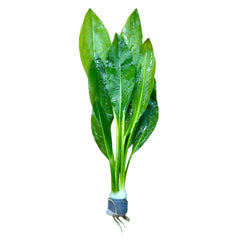
Amazon Swords (Echinodorus): A classic center-piece plant with broad, striking green leaves.
-
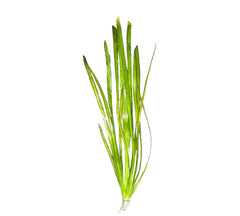
Vallisneria: A tall, background grass-like plant that spreads rapidly via runners through the sand.
-
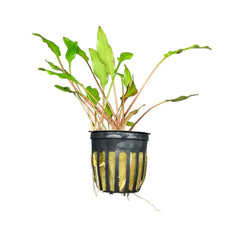
Cryptocoryne: A hardy, low-light plant family that comes in beautiful shades of green, bronze, and brown.
Epiphytes (Perfect for Sand Tanks)
If you are worried about sand compacting around your plant roots, look into epiphytes. These plants should never be buried in the substrate anyway. Instead, you attach them to pieces of driftwood or rocks using aquarium-safe super glue or thread. Their roots pull nutrients directly from the water column:
-
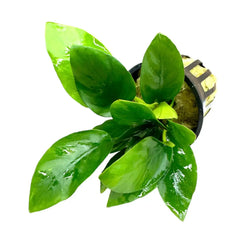
Anubias: Incredibly hardy plants with thick, dark green leaves that thrive in almost any lighting condition.
-
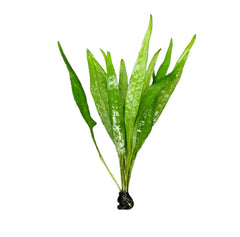
Java Fern: A beautiful, low-maintenance background plant with textured fronds.
-
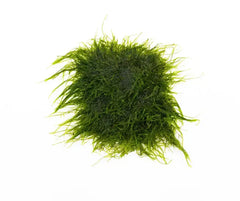
Java Moss / Christmas Moss: Versatile mosses that can be used to carpet rocks or create miniature underwater trees.
Stem Plants
Stem plants are fantastic for sand because they absorb a significant portion of their nutrients through their leaves, though they still use the sand to anchor themselves:
-
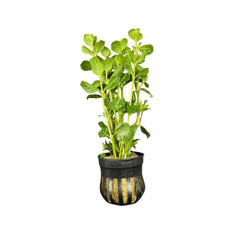
Water Wisteria (Hygrophila difformis): Fast-growing with deeply lobed, lace-like leaves.
-
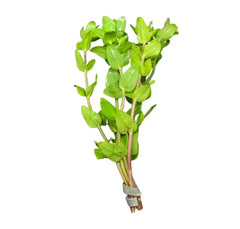
Bacopa Caroliniana: A sturdy stem plant with round leaves that grows vertically and creates a great background hedge.
-
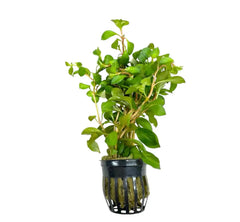
Ludwigia Repens: A brilliant option if you want to introduce splashes of deep red and orange into your aquascape.
Step-by-Step: Setting Up a Successful Planted Sand Tank
If you are ready to get started, follow this simple process to ensure your tank succeeds from day one.
-
Rinse the Sand Thoroughly: This is the most crucial step. Put your sand in a clean bucket and run water through it, stirring vigorously and pouring off the cloudy water. Repeat this until the water runs completely clear. Skipping this step will turn your aquarium into a cloudy, milky mess for weeks.
-
Add a Base Layer (Optional): If you want an extra insurance policy for your plants, you can lay down a half-inch layer of nutrient-rich aqua-soil or organic potting soil at the very bottom of the tank, and then "cap" it with 1.5 inches of sand. This keeps the nutrients hidden underneath while giving you the clean look of sand on top.
-
Place Your Root Tabs: If using pure sand, space out your root tabs every 4 to 6 inches across the area where you intend to plant.
-
Wet the Sand and Plant: Fill the tank with just a few inches of water—enough to wet the sand completely. This makes planting much easier. Use a pair of aquascaping tweezers to push the roots of your stem plants and root-feeders deep into the sand at an angle, which helps lock them in place so they don't float away.
-
Fill and Condition: Gently fill the rest of the tank, using a small plate or plastic wrap to break the force of the water so you don't disturb your beautifully sloped sand bed. Turn on your filter, start your fertilizer schedule, and enjoy your new underwater paradise.
Growing aquarium plants in sand is not only possible, but it is also one of the most rewarding ways to design an aquascape. By understanding that sand is an inert material that requires manual nutrient supplementation and proper aeration, you can easily avoid the common pitfalls of plant melt and root decay. Stick to hardy species, never forget your root tabs, and your sandy aquarium will be flourishing in no time.
Freshwater Aquarium Care Guides
Shop related: All Aquarium Plants, Beginner Plants, White Sand, Black Sand, Nutrient-rich Plant Substrate, Aquascaping Tools, Parameter Test Strips.
Other Blogs: Top 5 Best Aquarium Floating Plants to Lower Nitrates Fast, Best Aquarium Plants for Betta Tanks, Why Do Aquarium Plants Have Holes in Them, Why Are Nerite Snails The Best Algae Eater.