

High nitrate levels are the bane of every aquarium hobbyist's existence. While regular water changes are the foundation of a healthy tank, introducing the right live plants can give you a massive advantage. Floating aquarium plants, in particular, are absolute powerhouses when it comes to nutrient export. If you are new to managing a living ecosystem, checking out a comprehensive beginner planted tank guide can help you lay the proper foundation for long-term success.
Because floating plants have direct access to ambient air, they absorb carbon dioxide (CO2) effortlessly. This means their growth isn't bottlenecked by the low CO2 levels underwater, allowing them to pull nitrates out of your water column at a blistering pace.
If you are looking to combat algae, protect your fish, and create a beautiful underwater canopy, here are the top five floating plants to help reduce nitrates in your aquarium.
1. Salvinia Minima (Water Spangles)
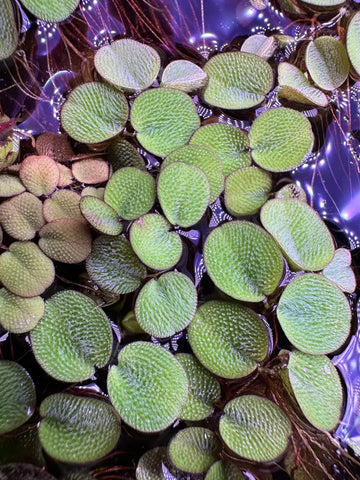
Salvinia minima, commonly known as Water Spangles, is one of the easiest and most effective floating plants for nitrate control. Characterized by small, oval leaves covered in tiny, hair-like structures, this plant excels at creating a dense surface mat that blocks out excess light while drinking up heavy nutrients.
-
Care Level: Very Easy
-
Growth Rate: Fast
-
Why it lowers nitrates: The fuzzy texture on the leaves repels water, ensuring the plant stays afloat even in high-flow tanks. Its root system remains relatively short and bushy, providing excellent cover for fry and shrimp while acting like a magnet for dissolved waste.
2. Red Root Floaters (Phyllanthus fluitans)
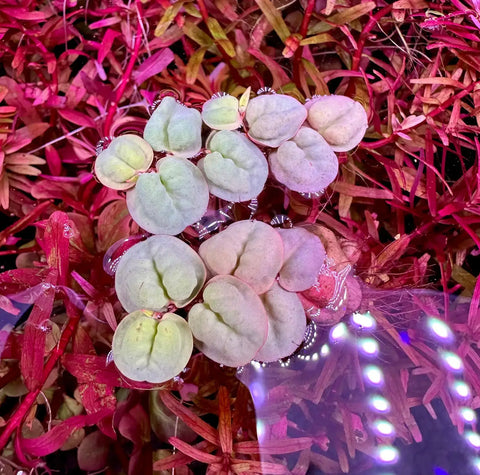
If you want functionality combined with stunning aesthetics, Red Root Floaters are unmatched. Under optimal lighting, the entire plant turns a deep, fiery red, and it even produces tiny white flowers on the surface.
-
Care Level: Easy
-
Growth Rate: Medium to Fast
-
Why it lowers nitrates: Red Root Floaters have long, trailing, crimson roots that dangle deep into the water column. These roots pull incredible amounts of waste out of the water. To get the best out of them, provide high light and low surface agitation, as they dislike trapped water on their leaves.
3. Amazon Frogbit (Limnobium laevigatum)
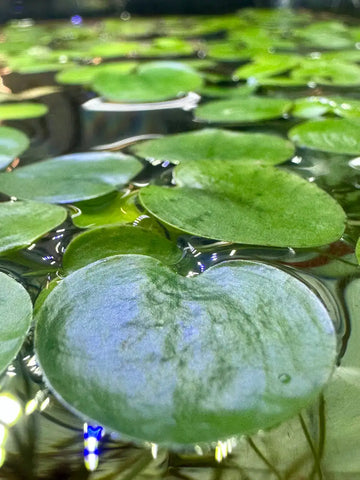
Amazon Frogbit looks like miniature lily pads floating across the surface of your tank. It is a absolute staple in the hobby for anyone dealing with persistent algae blooms or spikes in dissolved organic compounds.
-
Care Level: Easy
-
Growth Rate: Very Fast
-
Why it lowers nitrates: Frogbit develops massive, thick, hairy root systems that can easily reach the bottom of a standard 10-gallon aquarium. This immense surface area allows the plant to absorb nitrates at an aggressive rate. It is highly recommended for tanks with heavy bioloads.
4. Water Lettuce (Pistia stratiotes)
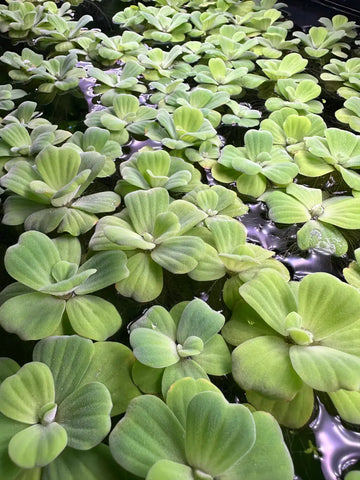
Water Lettuce comes in two sizes in the hobby: regular and dwarf. For most indoor aquariums, Dwarf Water Lettuce is preferred. This plant features soft, ribbed, velvety pale-green leaves that form a rosette pattern resembling a floating head of lettuce.
-
Care Level: Easy to Moderate
-
Growth Rate: Fast
-
Why it lowers nitrates: Water Lettuce is a larger species compared to Salvinia, meaning it requires more fuel to sustain its growth. It will rapidly deplete nitrates to feed its sprawling, feathery root network. Be prepared to trim the roots occasionally if they start crowding out your swimming space.
5. Salvinia Cucullata (Asian Water Moss)
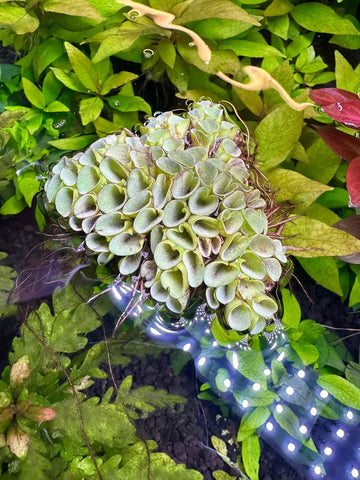
A unique relative of Salvinia minima, Salvinia cucullata is famous for its distinct, cup-shaped leaves that curl upward. This gives the surface of your aquarium a fascinating, geometric texture that looks incredibly distinct from above.
-
Care Level: Easy
-
Growth Rate: Medium
-
Why it lowers nitrates: The hooding or cupping of the leaves allows the plant to pack tightly together without suffocating. It forms a thick, structured carpet on the surface that aggressively filters out both light and excess nutrients, keeping your water pristine and crystal clear.
Quick Tips for Floating Plant Success
To get the maximum nitrate-reducing benefits out of your new floating plants, keep these three golden rules in mind:
-
Manage Surface Agitation: Most floating plants absolutely hate strong currents. If your filter splash constantly dunks them or traps water on top of their leaves, they will rot and melt. Use a floating airline tubing ring to corral them into a quiet corner of the tank.
-
Thin Them Out Regularly: Because these plants grow so fast, they can quickly blanket the entire surface, blocking light from reaching your foreground and background plants below. Remove roughly one-third of your floating crop every week during your water change to keep fresh, fast-growing (and high-absorbing) nodes active.
-
Mind the Lids: Tight-fitting aquarium hoods trap a massive amount of humidity. Plants like Red Root Floaters and Water Lettuce can melt if condensation constantly drips onto their top leaves. Prop your lid open slightly to allow for proper ventilation.
If you have questions or need recommendations for your specific aquarium, please reach out to us - we're always happy to assist you.
Freshwater Aquarium Care Guides
Related Links: All Plants, All Floating Plants, Plant Care Guides.
Other Blogs: How Deep Should Your Aquarium Substrate Be, The Best Aquarium Plants for Bettas, Why Are My Aquarium Plants Losing Leaves, How To Use Aquarium Glue to Secure Epiphytes to Hardscape.