

When you are setting up a freshwater planted aquarium, it is incredibly easy to get overwhelmed by choices. You have to pick the right tank, the right light, the right filter, and of course, the right plants. If you are starting from scratch or need a quick refresher on the basics, our beginner planted tank guide covers everything you need to get your ecosystem up and running smoothly, but there is one decision that forms the literal foundation of your entire ecosystem: your substrate.
The material you place at the bottom of your tank isn't just cosmetic. It dictates what kinds of plants you can grow, how fast they will grow, and how easy it will be to maintain your aquarium's water chemistry.
If you choose the wrong substrate for your specific goals, you will be fighting an uphill battle against melting plants and stubborn algae from day one.
In this ultimate guide, we are breaking down the three main types of aquarium substrates—Aquasoil, Sand, and Gravel—so you can confidently choose the perfect foundation for your aquascape.
1. Aquasoil: The Nutrient-Rich Powerhouse
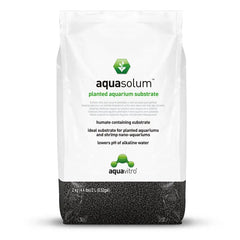
Aquasoil consists of manufactured, baked pellets of organic, nutrient-dense soil. Unlike standard garden dirt, it is specially formulated to hold its shape underwater without dissolving into mud.
-
Nutrient Content: Extremely High
-
Effect on pH: Lowers pH slightly
-
Lifespan: 2 to 4 Years (Eventually breaks down into clay/mud)
-
Best For: Carpeting plants, heavy root-feeders, and high-tech setups
Why Aquasoil is Amazing for Plants
Aquasoil is the gold standard for high-tech setups and heavy root-feeding plants (like Amazon Swords, Cryptocorynes, and carpeting plants).
It is packed full of essential macronutrients and micronutrients that plant roots crave. Furthermore, aquasoil has a high Cation Exchange Capacity (CEC). This means it acts like a nutrient magnet—absorbing excess nutrients from your fish waste and liquid fertilizers out of the water and passing them directly to your plants' roots.
Most aquasoils also naturally buffer your water, lowering the pH to a slightly acidic level (around 6.4 to 6.8). Tropical aquatic plants absolutely thrive in this environment, as it allows them to absorb nutrients much more efficiently.
The Downside
-
The Ammonia Spike: Brand new aquasoil leaches ammonia into the water for the first 1 to 2 weeks. This is great for cycling a new filter, but it means you cannot add fish or shrimp immediately. You must perform frequent water changes early on.
-
Shelf Life: Over time, the baked clay pellets will slowly break down into a fine mud. If you like to constantly uproot and move your plants around, it can cloud the tank.
-
Cost: It is by far the most expensive substrate option on the market.
2. Aquarium Sand: The Clean, Aesthetic Classic
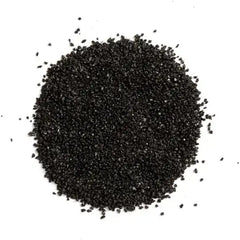
Sand is a completely inert substrate, meaning it contains absolutely zero nutrients and will not alter your water chemistry (pH or hardness).
-
Nutrient Content: Zero (Inert)
-
Effect on pH: None (Neutral)
-
Lifespan: Permanent
-
Best For: Bottom-dwelling fish, cosmetic paths, and epiphyte plants attached to wood/rock
Why Sand is Ok
From a purely visual standpoint, nothing beats the clean, natural look of a fine white or cosmetic sand path cutting through an aquascape. It is also the safest substrate for bottom-dwelling fish with sensitive barbels, like Corydoras catfish or Kuhli loaches, who love to sift through the grains for food without getting scratched.
Because sand grains pack tightly together, fish waste and leftover food sit right on top of the surface rather than falling down into hidden cracks. This makes cleaning during your weekly water change incredibly easy—you just hover your gravel vacuum right above the sand layer.
The Downside for Plants
Because sand is inert, plants cannot survive on sand alone unless they are strictly column-feeders (like Anubias, Java Fern, or Bucephalandra) that are glued to rocks or wood. If you plant a heavy root-feeding stem or carpet plant into pure sand, it will eventually starve, yellow, and stunt.
Sand can also compact tightly over time. This lack of oxygen and water flow around the roots can lead to "anaerobic pockets"—black zones in the sand that can trap pockets of foul-smelling hydrogen sulfide gas.
3. Aquarium Gravel: The Low-Maintenance Standard
Gravel consists of small, smooth stones ranging from 2mm to 5mm in size. Like sand, standard aquarium gravel is inert and contains no inherent nutrients.
-
Nutrient Content: Zero (Inert)
-
Effect on pH: None (Neutral)
-
Lifespan: Permanent
-
Best For: Hardscape anchors, low-tech tanks, and easy stem rooting
Why Gravel is Ok
Gravel is incredibly forgiving, easy to work with, and lasts forever. It doesn't break down like aquasoil, and it doesn't compact like sand.
Because the gaps between the stones are quite large, water and oxygen can circulate freely through the substrate. This prevents toxic gas buildup and allows beneficial, nitrifying bacteria to colonize the entire floor of your aquarium. It is also heavy enough to hold down stubborn plant stems that keep trying to float to the top when you first plant them.
The Downside for Plants
Like sand, gravel provides zero nutrition out of the box. Additionally, because those gaps between the stones are so large, fish waste, decaying leaves, and uneaten food will sink deep into the gravel bed. If you don't aggressively vacuum your gravel, it can turn into a "detritus trap" that causes your nitrate levels to skyrocket, fueling massive algae outbreaks.
Pro-Tips: How to Hack Inert Substrates (The Hybrid Method)
What if you love the permanent look of sand or gravel, but you want to grow lush, demanding plants? You don't have to buy expensive aquasoil. You can use two clever aquascaping hacks to get the best of both worlds:
#1: Root Tabs
You can turn inert sand or gravel into a highly fertile substrate by inserting root tabs (concentrated fertilizer capsules) deep into the substrate directly underneath your root-feeding plants every 3 to 4 months. The capsules slowly dissolve, packing the surrounding sand or gravel with the exact nutrients your plants need.
#2: Capping Method
Many advanced aquascapers get a highly fertile tank without the messy cleanup by placing a 1-inch layer of nutrient-rich aquasoil at the very bottom of the tank, and then "capping" it with a 1-to-2-inch layer of cosmetic sand or gravel on top. This seals the messy nutrients underneath where the roots can reach them, while keeping the surface looking flawlessly clean.
Final Verdict: Which One Should You Buy?
-
Choose Aquasoil if: You want to grow dense carpets of dwarf hairgrass, baby tears, or vibrant, fast-growing red stem plants, and you don’t mind keeping up with initial water changes.
-
Choose Sand if: You want a clean, minimalist look, plan on keeping bottom-dwelling fish, and intend to stick to rhizome plants (like Bucephalandra or Anubias) attached to hardscape.
-
Choose Gravel if: You are building a classic, low-maintenance, low-tech tank with hardy plants like Amazon Swords or Crypts, and you are willing to supplement them with root tabs.
🌿 Ready to start your next aquascaping project? We carry a premium selection of healthy, vibrant freshwater plants—including rare, direct-import Bucephalandra—perfect for any substrate setup.
Browse all our live plants here.
Freshwater Aquarium Care Guides
Shop related: All plant substrate, Aquarium Soil, Aquarium Aquascaping Tools, Plant Trimming Scissors, Aquatic Plant Fertilizers.
Other blogs: How deep should your substrate be, Can aquarium plants grow in sand, Why do aquarium plants have holes in them.