

For many aquarists, the allure of a vibrant, thriving planted tank is undeniable. We often focus on striking a delicate balance between aquarium light, aquatic plant nutrients, and CO2, painstakingly selecting the perfect aquatic plant species and meticulously maintaining the aquascape. But beneath the surface, a hidden world exists – a vast, intricate ecosystem teeming with life, a substantial portion of which is microscopic and often overlooked: beneficial bacteria.
These microscopic marvels are the unsung heroes of a successful planted tank, the essential cogs in the nitrogen cycle that keep our aquatic world balanced and healthy. While they may be invisible to the naked eye, their impact is profound, shaping everything from water clarity to plant growth and, most importantly, the well-being of our aquatic inhabitants.
Understanding and cultivating a healthy population of beneficial bacteria is not just important; it's fundamental to long-term success in the planted aquarium hobby. This isn't merely about creating a visually pleasing environment; it's about fostering a stable, self-sustaining ecosystem where our plants and fish can truly thrive.
This blog will delve deep into the world of beneficial bacteria, exploring their crucial role in the planted tank and how we, as aquarists, can cultivate and nurture this invisible workforce.
The Nitrogen Cycle: A Bacterial Tale
The nitrogen cycle is the cornerstone of any aquarium, the process by which toxic waste is broken down into less harmful substances. This cycle is driven primarily by beneficial bacteria, making them the engines of biological filtration.
Let's break down the nitrogen cycle and the specific types of bacteria involved:
-
Nitrosomonas Bacteria: These are the pioneers of the nitrogen cycle. They specialize in converting ammonia, a highly toxic waste product excreted by fish and generated from decaying matter, into nitrite.
-
Nitrobacter and Nitrospira Bacteria: Once nitrite, another toxic substance, is produced, Nitrobacter and Nitrospira bacteria step in. They convert nitrite into nitrate, a far less harmful compound that is relatively safe for fish in moderate concentrations.
This conversion process is essential because even low levels of ammonia and nitrite can be lethal to aquatic life. Nitrates, while still potentially harmful in very high amounts, are generally tolerated much better.
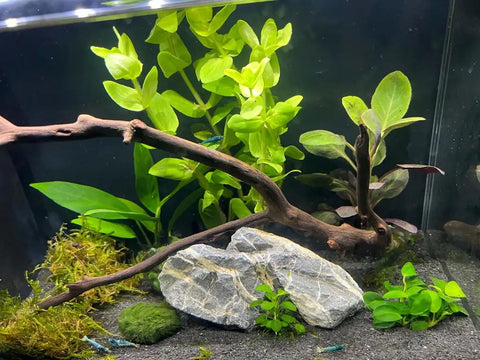
Plant Power and the Nitrogen Cycle
This is where the unique dynamics of a planted tank come into play. While the nitrogen cycle is active in any aquarium, a densely planted tank adds another layer of complexity – and benefit.
-
Nitrate Absorption: Aquarium plants are natural nitrate filters. They utilize nitrate as a primary nitrogen source, absorbing it through their roots and leaves to fuel growth. This naturally reduces nitrate levels in the aquarium, lessening the need for frequent water changes and creating a more stable environment.
-
Oxygen Production: Plants perform photosynthesis, a process that releases oxygen into the water. This dissolved oxygen is crucial for fish and other aquatic life, but it also benefits beneficial bacteria, particularly the aerobic bacteria (like Nitrosomonas and Nitrobacter) that drive the nitrogen cycle.
-
Surface Area for Bacteria: The complex root systems of aquatic plants and the surface of their leaves provide abundant surface area for beneficial bacteria to colonize. This symbiotic relationship creates a healthy environment for both bacteria and plants.
-
Algae Control: Strong, healthy plant growth can help outcompete algae for nutrients like nitrate and phosphate. By efficiently utilizing these nutrients, plants can effectively reduce the risk of unsightly algae blooms.
Cultivating a Thriving Bacterial Community
Fostering a healthy population of beneficial bacteria is essential for a stable planted aquarium. Here's how you can achieve this:
-
Establish a Biological Filter: A high-quality filter is crucial. The filter media – such as ceramic rings, bio-balls, and filter sponges – provides a huge surface area for beneficial bacteria to colonize. Choose a filter with adequate flow rate and choose media designed for maximum biological surface area.
-
Allow the Tank to Cycle: Before adding fish, it's essential to allow your aquarium to cycle properly. This involves introducing an ammonia source to stimulate the growth of beneficial bacteria. You can use fishless cycling methods, such as adding fish food or pure ammonia, to establish a stable bacterial population before introducing livestock.
-
Provide Abundant Surface Area: Beyond the filter media, other surfaces in the tank, such as substrate, rocks, driftwood, and, of course, the plants themselves, provide space for beneficial bacteria. Opt for porous materials like lava rock or specialized planted tank substrates to maximize surface area.
-
Maintain Adequate Oxygen Levels: Aerobic beneficial bacteria require oxygen to thrive. Ensure good water circulation and consider adding an airstone or using a filter that provides efficient aeration. The oxygen produced by plants during the day will also contribute significantly to oxygen levels.
-
Avoid Overstocking and Overfeeding: Introduce livestock gradually and avoid overstocking your tank. Excessive waste from overstocking and uneaten food can overwhelm the beneficial bacteria, leading to spikes in ammonia and nitrite. Feed your fish only what they can consume in a few minutes.
-
Perform Regular Water Changes: Water changes are essential for removing nitrates and other accumulated wastes, helping to maintain optimal water quality. While plants absorb some nitrate, regular water changes are still necessary to ensure that levels remain within a safe range.
-
Use a Water Conditioner: Tap water contains chlorine or chloramine, which can be lethal to beneficial bacteria. Always use a high-quality water conditioner, such as Seachem Prime, during water changes to neutralize these chemicals.
-
Be Patient: Establishing a stable biological filter and a healthy bacterial community takes time. Be patient and monitor water parameters regularly. Avoid making drastic changes or introducing large numbers of fish quickly.
Signs of a Healthy Bacterial Population
How can you tell if your beneficial bacteria are thriving?
-
Zero Ammonia and Nitrite: Consistently reading zero ammonia and zero nitrite on your test kits is the most reliable sign of a mature and functional biological filter.
-
Low Nitrates (in planted tanks): In well-established planted tanks with healthy plant growth, nitrates should ideally remain relatively low (typically below 20-30 ppm).
-
Clear Water: A healthy bacterial population helps break down organic matter, contributing to clear, sparkling water.
-
Healthy Fish and Plants: Thriving fish with vibrant colors and vigorous plant growth with lush, healthy leaves are all positive indicators of a balanced and stable aquarium environment.
The Dynamics of Nitrogen Compound Levels in a Newly Cycled Planted Tank
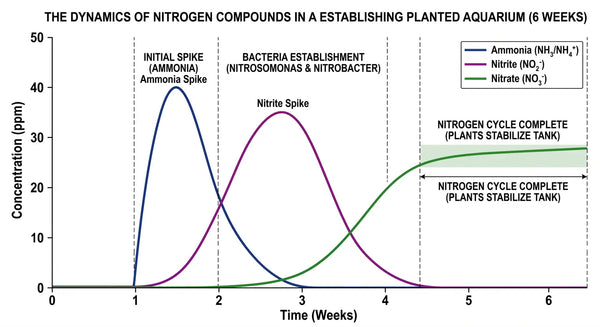
Below is a conceptual graph illustrating the dynamic relationship between Ammonia, Nitrite, and Nitrate levels during the cycling process of a planted aquarium, demonstrating how beneficial bacteria transform these compounds over time:
Explanation of the Graph:
This graph provides a visual representation of how nitrogen compounds evolve during the cycling process of a planted tank.
-
Phase 1: Initial Spike (Ammonia): In the early stages, as waste starts breaking down or ammonia is introduced, the ammonia level will rise significantly.
-
Phase 2: Bacteria Establishment (Nitrite): As Nitrosomonas bacteria begin to multiply, they start converting ammonia to nitrite. The ammonia level will decline, but the nitrite level will experience a sharp spike. This is often the most critical period, as nitrite is highly toxic to fish.
-
Phase 3: Cycle Complete (Nitrate): Gradually, Nitrobacter and Nitrospira bacteria will colonize, converting the nitrite to nitrate. Both ammonia and nitrite levels will drop to zero and stay there consistently. The nitrate level will start to rise steadily.
-
The Impact of Plants (in a planted tank): Unlike a typical freshwater tank, where nitrates continue to build indefinitely, a healthy planted aquarium will see a much slower increase in nitrates or even a stabilization. This is because the plants are actively consuming the nitrate as a source of nutrients. Strong plant growth acts as a powerful biological buffer, mitigating nitrate accumulation and reducing the frequency of water changes required.
The world of beneficial bacteria may be hidden from plain sight, but its influence on the success of a planted aquarium is profound. By understanding the nitrogen cycle, recognizing the unique role plants play, and cultivating a healthy bacterial population, you empower yourself to create a stable, vibrant, and sustainable aquatic masterpiece. Remember, patience, careful monitoring, and a commitment to providing the ideal conditions for your invisible workforce are the keys to a thriving planted tank. Embrace the science, nurture the microscopic, and you will be rewarded with a beautiful, balanced aquarium that brings the wonders of the natural world into your home.
Freshwater Aquarium Care Guides
Shop related: All WeekAqua lighting, Lighting Accessories, Aquatic Plants, Plant Fertilizers.
Other blogs: Why are my aquarium plants dying, Do red aquarium plants really need co2 and strong lighting, How many hours of light do aquarium plants really need, Top 5 best foreground plants for beginner, How to get rid of black beard algae, Is a Week Aqua Light a Long-Term Investment for Serious Aquascaping?, What Makes the Week Aqua L Series Unique Among Aquarium Lights?.