

Starting a planted tank is one of the most rewarding endeavors in the fishkeeping hobby. Live plants don't just look spectacular; they act as natural biological filters, absorbing toxic nitrates, generating oxygen, and providing natural cover that reduces stress for your fish and shrimp. However, walking into a local fish store, buying a handful of vibrant green stems, and throwing them into a tank can end in disappointment.
Weeks later, many beginners find themselves staring at a tank full of melting leaves, decaying stems, and a rampant breakout of hair algae. If you are asking yourself, "Why are my aquarium plants dying?", you aren't alone. Keeping aquatic plants alive requires a balance of light, nutrients, and proper mechanics. Avoid these top five common mistakes that inadvertently kill aquarium plants. For a successful step-by-step framework to ensure you lay the right groundwork from day one, take a look at our foundational freshwater planted tank guides.
1. Burying the Rhizome of Epiphyte Plants
This is perhaps the single most common mistake made by beginners. When we think of planting a tank, our instinct is to just bury the plants in the substrate completely. While this works beautifully for heavy root-feeders like Amazon Swords or Cryptocoryne species, it is a death sentence for a specific and highly popular class of aquarium greenery known as epiphytes.
Popular species like Anubias, Java Fern, and Bucephalandra possess a thick, horizontal stem-like structure called a rhizome. The true roots of the plant grow out from underneath this rhizome.
-
The Fatal Error: If you bury the horizontal rhizome beneath sand or gravel, you cut off its access to water circulation and oxygen. Deprived of flow, the rhizome will systematically rot, turning mushy and brown. Within weeks, the leaves will break away, and the entire plant will disintegrate.
-
How to Fix It Properly: * Attach to Hardscape: Leave the rhizome completely exposed to open water. Use safe aquarium cyanoacrylate glue or cotton thread to bind the plant to pieces of driftwood or porous rocks.
-
Wedging: Gently wedge the plant into small crevices between rocks where it can anchor its roots naturally over time.
-
Loose Planting: If you absolutely must place it on the substrate, ensure only the thin dangling roots are buried, leaving the thick green rhizome sitting entirely on top of the gravel.
-
2. Panic Over "Aquarium Plant Melt"
You bought a pristine, vibrant green plant from the store, placed it in your tank, and within four days, every single leaf turned translucent, turned brown, and completely dissolved. It is easy to panic, assume the plant is dead, and pull it out to throw it in the trash. However, you might have just killed a plant that was successfully adapting.
This phenomenon is widely known in the hobby as aquarium plant melt.
-
The Science of Melt: The vast majority of commercial aquatic plants are grown emersed (out of water) in high-humidity nurseries. This allows them to grow much faster, access atmospheric CO2, and avoid algae. When you submerge these plants in your aquarium, their existing "air-breathing" leaves are entirely inefficient at absorbing underwater nutrients and dissolved gases. The plant purposefully sheds its old leaves to conserve energy and generate completely new, structurally distinct submersed leaves.
-
How to Manage It:
-
Be Patient: Do not throw the plant away immediately. Check the base and the root system. If the roots are firm and intact, the plant is alive.
-
Prune the Decay: Carefully trim away the melting leaves using aquascaping scissors. Decaying foliage pollutes the water and fuels algae growth. Trimming redirects the plant’s energy to fresh, underwater growth.
-
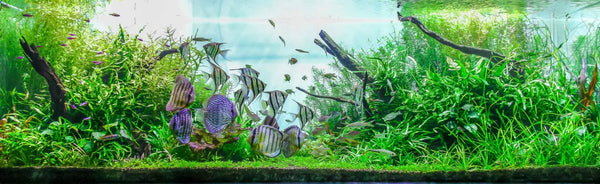
3. Choosing the Wrong Substrate for Heavy Feeders
Aquarium plants absorb nutrients in two ways: through their leaves from the open water column, or through their root networks buried deep in the substrate. A fundamental mistake is expecting heavy root-feeding plants to grow in inert, nutrient-deficient substrates like plain quartz sand or traditional aquarium gravel without assistance.
Plants like Amazon Swords, Vallisneria, and Crypts develop massive, complex root systems. If placed in pure sand, they will starve of vital macro and micro-nutrients like iron and potassium. The leaves will turn yellow, growth will stunt, and the older leaves will develop pinholes before wasting away.
-
Substrate Solutions:
-
Active Aqua Soils: If budget allows, utilize nutrient-rich, clay-based active soils. These soils lower pH naturally and are packed with nutrients designed specifically for roots.
-
The Root Tab Method: If you prefer to use sand or gravel for aesthetic reasons, you must supplement it. Insert commercial aquarium fertilizer "root tabs" deep into the sand directly beneath your heavy root-feeders every 2 to 3 months.
-
4. Lighting Mismatches: The Intense Blast Fallacy
Lighting is the engine that drives photosynthesis, but it is a double-edged sword. Beginners frequently make one of two mistakes: providing weak, stock hood LED lights that cannot support life, or buying an incredibly high-powered light and blasting the tank for 12 hours straight.
The latter mistake is much more destructive. Intense light signals plants to grow at hyper-speed. However, to grow that fast, plants require a matching supply of carbon dioxide (CO2) and dissolved fertilizers. If your tank lacks pressurized CO2 injection and daily fertilization, the plants cannot keep up with the light. They stall, weaken, and begin leaking organic compounds into the water.
-
The Outcome: Algae is highly opportunistic. It requires far fewer nutrients to thrive than complex vascular plants. When your plants stall due to an imbalance, algae (such as black brush, hair, or green spot algae) will blanket your plant leaves, choking out whatever remaining light they have and suffocating them.
-
Finding the Light Balance:
-
The 6-8 Hour Rule: Keep your photoperiod (lights-on duration) restricted to a consistent 6 to 8 hours a day. Use a digital plug-in timer to ensure consistency.
-
Match Plant to Light: If you run a low-tech tank (no CO2), stick entirely to low light aquarium plants such as Java Moss, Anubias, and Crypts. Do not attempt difficult carpeting plants like Dwarf Baby Tears without proper specialized equipment.
-
5. Starving Plants of CO2 and Nutrients
Just like fish need clean water and food, plants require physical nutrition. Water straight from your kitchen tap rarely contains the precise balance of nutrients needed for long-term aquatic plant survival. Over time, plants exhaust the ambient resources present in a newly established tank.
The common mistake is failing to realize when a plant is actively starving. A classic example is a lack of Potassium or Iron. When iron is depleted, new leaves emerge completely white or yellow instead of deep green (chlorosis). When potassium is missing, older leaves look like they have been hit with miniature shotgun blasts—riddled with tiny pinholes with decaying brown edges.
-
How to Feed Your Tank Safely:
-
Implement an All-In-One Liquid Fertilizer: For low-to-medium tech tanks, dosing a comprehensive liquid fertilizer once or twice a week provides necessary micro and macro elements (such as Nitrogen, Phosphorus, Potassium, Iron, and Magnesium).
-
Understand the $O2 Limitation: Carbon is the core building block of plant tissue. In non-injected tanks, carbon is limited. Ensure good surface agitation to promote ambient gas exchange, allowing atmospheric CO2 to dissolve into the surface water naturally.
-
Achieving the Perfect Balance
Growing a breathtaking, lush planted aquarium is not about luck; it is about balance. By selecting the right plants for your specific lighting, planting epiphytes correctly on hardscape rather than burying them, expecting and weathering the initial "melt" period, and providing proper root or water-column fertilizers, you can easily reverse plant decay.
Take a close look at your tank today. Identify the specific symptoms your plants are showing, adjust your parameters slowly, and watch your underwater ecosystem transform into a thriving aquatic paradise.
Freshwater Aquarium Plant Guides
Shop related: Aquarium Plants, Bucephalandra, Aquasoil, Driftwood, Aquascaping Tools, Fertilizers.
Other blogs: How deep should your aquarium substrate be, Why do plants have holes in them, Crypt melt explained, What makes mystery snails ideal for beginner tanks.