

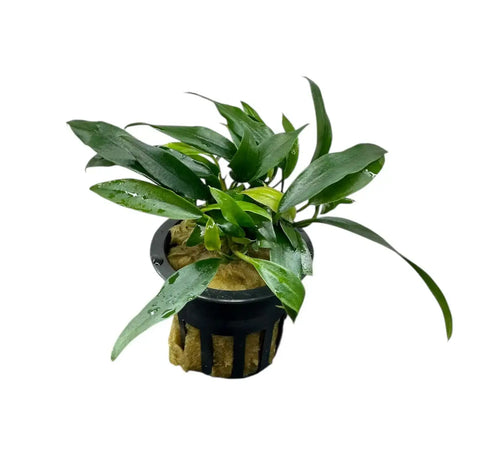
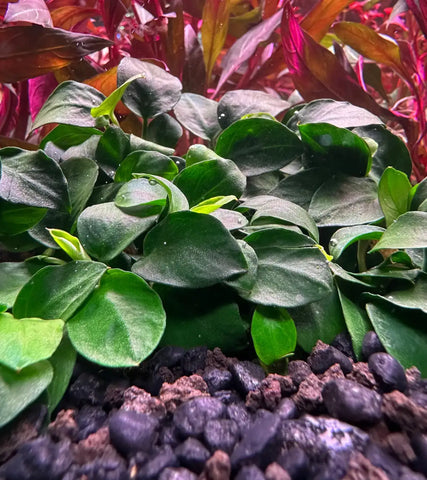
Anubias species, including popular varieties like Anubias nana, Anubias barteri, Anubias nana Petite, and Anubias congensis, hold a legendary status in the freshwater aquarium hobby. Prized for their robust, leather-like dark green leaves and minimal demands, they are routinely recommended as the ultimate bulletproof plant for absolute beginners. If you are setting up a planted aquarium for the first time, our freshwater aquarium setup guide will help you establish the perfect foundation for these hardy species.
Yet, even the hardiest aquatic plants have limits. When a proud, deep green Anubias begins displaying yellow edges, translucent patches, or entire leaves turning pale and dropping off, it is a glaring distress signal. Understanding the precise biochemistry and environmental triggers behind these symptoms is the key to nursing your plants back to vibrant health and preventing future failures.
Detailed Breakdown: The 4 Primary Causes of Yellowing Anubias Leaves
To fix a failing Anubias, you must first identify the root trigger. Unlike stem aquatic plants that pull nutrients directly out of heavy aquasoil, Anubias are epiphytes or semi-epiphytes, meaning they naturally grow attached to hard surfaces like rocks and tree roots in nature. This unique biology dictates how they react to stress.
1. The Most Common Killer: A Buried Rhizome and Subsequent Rot
The rhizome is the thick, horizontal, stem-like structure running along the base of the plant. It acts as the central hub and lifeline: roots grow downward into the anchor point, and leaves shoot upward toward the light.
-
Diagnostic Symptoms: Lower leaves gradually turn pale yellow, the tissue on the horizontal stem turns soft, mushy, or translucent, and entire stems detach effortlessly with a gentle tug.
-
The Root Cause: The rhizome is packed with living cells that require continuous exposure to dissolved oxygen and water current. When hobbyists mistakenly bury the rhizome deep beneath heavy gravel, sand, or nutrient-rich aquasoil, the tissue is deprived of oxygen. This leads to rapid bacterial decay, commonly known as rhizome rot. Once rot sets in, it can quickly travel down the entire length of the stem, killing the plant within days if left unchecked.
2. Chronic Nutrient Deficiencies (Macronutrients and Micronutrients)
Because Anubias are remarkably slow-growing species, their metabolic demand for nutrients is relatively low compared to fast-stem plants like Rotala or Ludwigia. However, they are still vulnerable to specific nutritional shortages over time, especially in sterile tap water or lightly stocked aquariums.
-
Nitrogen (Nitrate) Deficiency: Nitrogen is a mobile nutrient. When the aquarium water lacks sufficient nitrates (ideally maintaining a baseline of 5 to 20 parts per million), the plant relocates nitrogen from older tissues to fuel newer growth. As a result, older, lower leaves turn a uniform, pale yellowish-green while new growth remains stunted and pale.
-
Potassium Deficiency: Potassium is critical for enzyme activation and sugar transport. When deficient, you will notice chlorosis (yellowing) starting aggressively along the outer margins and tips of the leaves, followed shortly by tiny dark pinholes that eventually expand into larger necrotic holes.
-
Iron and Micronutrient Deficiency: Iron is required for chlorophyll synthesis. If iron or trace elements are missing, newer leaves will emerge distinctly pale yellow or completely white (chlorotic), while older leaves may retain a darker green hue because iron is immobile within the plant structure.
3. Excessive Light Intensity and Algae Smothering
In their natural habitats across tropical West Africa, Anubias species typically reside underneath dense jungle canopies or submerged in shaded, turbid forest streams where direct sunlight is heavily filtered.
-
Diagnostic Symptoms: Leaves turn a washed-out, pale yellowish-green (photo-bleaching), frequently accompanied by thick, velvet-like patches of green spot algae or brown diatoms coating the surface of the broad leaves.
-
The Root Cause: Blasting an Anubias with high-intensity aquarium LED lights over a long photoperiod overwhelms the plant's slow photosynthetic machinery. Simultaneously, high light triggers aggressive algae spores. The resulting algae layer blocks what little light and carbon dioxide the leaf can process, starving the underlying plant tissue and causing it to yellow, decay, and die.
4. Transition Stress and Acclimation Melt
Many commercially available Anubias are grown commercially "emersed"—meaning they are cultivated out of water in high-humidity greenhouses with their leaves exposed to ambient air.
-
Diagnostic Symptoms: Within one to three weeks of being submerged into a fully filled aquarium, older leaves begin turning yellow, translucent, and papery, eventually melting away.
-
The Root Cause: Emersed leaves possess a cellular structure optimized for grabbing carbon dioxide directly from the air. When submerged underwater, these leaves cannot adapt quickly enough and undergo controlled cell death (melt) to redirect their remaining stored energy into growing entirely new, aquatic-adapted leaves. As long as the rhizome remains firm and green, this melt is a normal, temporary transition phase.
Step-by-Step Recovery and Maintenance Protocol
If your Anubias is suffering, structured intervention can halt the decline and spark fresh, vigorous growth. Execute this comprehensive recovery protocol:
Step 1: Perform Emergency Salvage and Correct Rhizome Placement
-
Unbury Immediately: If your plant is anchored directly in the substrate, gently dig it up. Inspect the rhizome. If you find mushy, brown, or foul-smelling sections, take a clean pair of razor-sharp aquarium shears and slice away all decayed tissue until you hit firm, crisp, green or white interior flesh.
-
Reattach Correctly: Secure the healthy portions of the plant to driftwood, lava rock, or slate using aquarium-safe cyanoacrylate gel super glue or dark cotton sewing thread. If you prefer a substrate layout, ensure only the thin, white root fibers are buried in the sand or gravel, leaving the thick main rhizome completely exposed to open water flow.
Step 2: Implement Targeted Pruning of Damaged Foliage
-
Plant biology dictates that severely yellowed or melting leaves will never magically turn back to green. Leaving decaying leaves on the plant drains vital energy and invites opportunistic fungus or bacteria.
-
Use sterilized scissors to clip away all fully yellowed, dying, or algae-choked leaves right at the base where they connect to the rhizome. Clean cuts heal rapidly and allow the plant to focus 100 percent of its remaining energy into producing pristine new shoots.
Step 3: Calibrate Lighting and Photoperiod Duration
-
Reduce your aquarium lighting duration to a strict window of 6 to 8 hours per day.
-
If your lighting fixture lacks a manual dimmer or intensity control, create natural shade zones. Position your Anubias underneath the shadow of larger driftwood arches, or introduce floating surface plants like Amazon Frogbit, Dwarf Water Lettuce, or Salvinia. The trailing roots of floaters diffuse harsh overhead light while naturally absorbing excess nitrogen from the water column.
Step 4: Establish a Balanced Water Column Fertilization Regimen
-
Because Anubias absorb nutrients primarily through their water-column roots and leaves rather than heavy root systems, utilizing a comprehensive, all-in-one liquid aquarium fertilizer is mandatory.
-
Dose the aquarium weekly according to the manufacturer's instructions, ensuring adequate levels of potassium, nitrogen, and chelated trace iron are consistently available. If your tap water is exceptionally soft, consider supplementing with trace elements to maintain optimal osmotic balance.
Freshwater Aquarium Care Guides
Shop related: All Anubias, Aquatic plants, Epiphyte Aquatic Plants, Aquarium Glue, Driftwood.
Other blogs: Why are my aquarium plants dying - top 5 mistakes that kill plants, Can aquarium plants grow in sand, Do aquarium plants really need injected co2 and strong lighting, Why are my aquarium plants losing leaves.