

When you are first starting out with a freshwater planted aquarium, it is incredibly easy to assume that all plants work the same way. You put them in the tank, turn on a light, add a splash of liquid fertilizer to the water, and hope for the best. If you are looking for a complete roadmap for your new aquarium, our beginner planted tank guide covers all the essentials from equipment to ecosystem balance.
But a few weeks later, you might notice a frustrating trend: some of your plants are growing beautifully, while others are turning yellow, developing holes, or melting away completely.
What went wrong? You used fertilizer, right?
The answer usually comes down to plant anatomy. Aquatic plants are highly specialized survivors, and they don't all eat the same way. In the aquascaping hobby, plants are fundamentally divided into two nutritional categories: Root Feeders and Column Feeders.
If you feed a root-feeder through the water column, or a column-feeder through the soil, you will end up with starving plants and a tank full of stubborn algae.
In this ultimate guide, we are breaking down the science of how aquarium plants actually eat, so you can fertilize your tank with absolute precision.
1. Root Feeders: The Substrate Dwellers
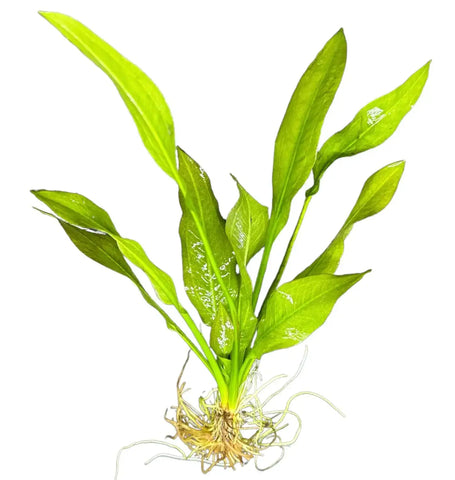
Root feeders are aquatic plants that draw the vast majority of their macro and micronutrients directly from the ground through an extensive, complex root system beneath the substrate.
In the wild, these plants grow in rich, thick river mud where organic waste settles and decomposes over years. In a home aquarium, they expect that same nutrient-dense foundation.
Common Examples of Root Feeders:
-
Amazon Swords (Echinodorus species)
-
Crypts (Cryptocoryne species)
-
Vallisneria (Val)
-
Bulb Plants (like Aponogeton or Lotus species)
-
Most Carpeting Plants (like Dwarf Hairgrass or Marsilea Hirsuta)
How to Feed Root Feeders Proper Nutrition
If you have a tank filled with Amazon Swords and Crypts, pouring liquid fertilizer into the open water isn't going to cut it. Their root systems are incredibly greedy and need targeted nutrition in the soil.
-
The Aquasoil Method: The easiest way to keep root feeders happy is to plant them in a high-quality, active aquasoil. Formulated from baked, nutrient-rich clay, aquasoil mimics natural river mud and feeds the roots for 2 to 4 years.
-
The Root Tab Trick: If you are using an inert substrate like plain sand or gravel, your root feeders will eventually starve. To fix this, you must bury root tabs (concentrated fertilizer capsules) deep into the substrate directly underneath the base of the plants every 3 to 4 months. The capsules slowly dissolve, packing the surrounding sand or gravel with iron, potassium, and nitrogen.
2. Column Feeders: The Water-Column Consumers
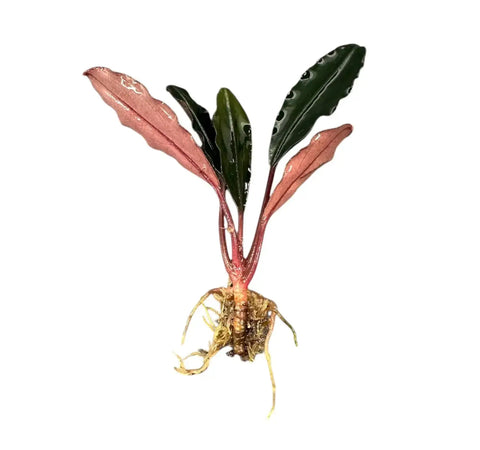
Column feeders are plants that absorb nutrients directly from the open water column through their leaves, stems, or exposed anchor roots. While they may develop roots to anchor themselves physically to a surface, those roots are not designed to hunt for nutrients deep in the mud.
Common Examples of Column Feeders:
-
Epiphytes: Bucephalandra, Anubias, and Java Fern (these plants grow attached to rocks or wood, and burying their horizontal stem, or rhizome, under soil will rot and kill them).
-
Stem Plants: Rotas, Ludwigias, Bacopas, and Hygrophilas (while they root in the soil for stability, their fast-growing stems pull massive amounts of food straight from the water).
-
Floating Plants: Red Root Floaters, Amazon Frogbit, and Salvinia.
-
Mosses: Christmas Moss, Java Moss, and Fissidens.
How to Feed Column Feeders Proper Nutrition
Because column feeders eat from the water, they are entirely dependent on what is floating around them. If your water is stripped of nutrients, these plants will quickly stunt, get leggy, or lose their vibrant colors.
-
Liquid All-In-One Fertilizers: To keep column feeders thriving, you need a comprehensive liquid fertilizer dosing routine. A good all-in-one supplement supplies vital nutrients like potassium, iron, magnesium, and trace elements right into the water column.
-
Fish Waste as Food: Column feeders are incredible natural filters. They love absorbing the nitrates and phosphates produced by your fish waste and uneaten fish food.
What Happens If You Mix Up Their Diets?
Understanding this nutritional divide is your ultimate weapon against the number one nightmare of the planted tank hobby: Algae.
If you heavily dose liquid fertilizers into your water column to feed a tank that consists mostly of heavy root feeders (like Swords and Crypts), the plants won't absorb the liquid floating in the water fast enough. That excess, floating nutrition becomes an open buffet for green hair algae, black beard algae, and diatoms.
Conversely, if you put expensive aquasoil into a tank but only grow Anubias, Buce, and Floating plants, the nutrients inside the soil are trapped down where the plants can't even reach them, while the water column remains starved.
To achieve a crystal-clear tank with explosive plant growth, your fertilization method must always match the specific plant type you are keeping.
The Ultimate Hybrid Approach
What if your dream aquascape features a beautiful mix of both? For example, a lush carpet of Dwarf Hairgrass (root feeder) surrounding a dramatic driftwood tree covered in Bucephalandra and Java Moss (column feeders)?
The pros handle this by using a hybrid fertilization routine:
-
Build a Fertile Base: Use nutrient-rich aquasoil or insert root tabs into your sand/gravel specifically where your heavy rooting plants are positioned.
-
Dose the Water Leanly: Add a measured dose of comprehensive liquid fertilizer to the water column 1 to 3 times a week to keep your epiphytes, mosses, and stem tops perfectly fed.
-
Maintain Good Flow: Ensure your filter outlet creates healthy water movement throughout the entire tank. Good circulation ensures that liquid nutrients are constantly brushed past the leaves of your column feeders so they never experience stagnant, starved zones.
Freshwater Aquarium Care Guides
Shop related: Aquatic Plants, Aquatic Plant Fertilizers, Aquarium Water Test Kit.
Other blogs: Why are my aquarium plants dying? Top 5 mistakes, Do red aquarium plants really need co2 and strong lighting, How many hours of light do aquarium plants need.