

If you are breeding aquarium snails or thinning out your tank to share with fellow hobbyists, you’ve likely faced a major dilemma: How do you safely ship a living aquatic creature across the country? Your first instinct might be to bag them up in water, just like you would with tropical fish. And to be fair, shipping in water is a classic, time-tested method that plenty of hobbyists use successfully every day. However, in the world of snail shipping, the "paper towel method"—wrapping snails in damp paper towels—has quietly become the preferred gold standard for experienced breeders. To gain a foundational understanding of building a thriving environment for these invertebrates prior to receiving them, check out our comprehensive beginner planted tank guide, which breaks down substrate, lighting, and ecosystem balancing.
While both methods can get your snails safely to their destination, shipping with paper towels offers a few distinct advantages for snail health and transit efficiency that are hard to beat.
Water vs Paper Towel
Shipping in water is the intuitive choice. It keeps the snails in their natural element, ensures they don’t dry out, and provides a familiar environment. When done right with a large enough water-to-air ratio, it works perfectly fine for short trips.
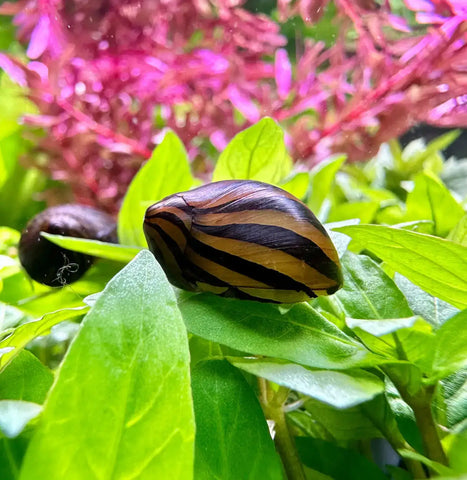
However, wrapping snails in damp paper towels introduces a few clever biological and logistical advantages. Most common aquarium snails (like Mystery, Ramshorn, Nerite, and Assassin snails) are incredibly hardy and uniquely adapted for life out of the water for short periods. By swapping a bag of water for a humid wrapping, you tap into their natural survival mechanisms.
Why Paper Towel Shipping Has the Edge for Snail Health
It might feel strange to take an aquatic animal out of water for a multi-day journey, but the paper towel method actually minimizes many of the invisible stressors of travel.
1. Managing the Ammonia
When a snail is shipped in water, its metabolism stays active. It moves around, breathes, and naturally produces waste. Because the volume of water in a shipping bag is quite small, ammonia levels can rise quickly over a few days.
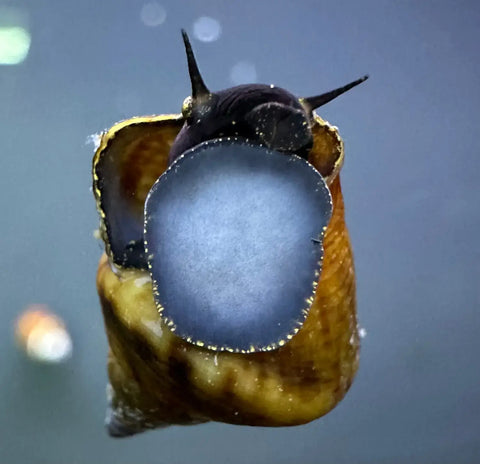
When wrapped in damp paper towels, the lack of open water and the dark environment triggers a natural state of estivation—a form of mild hibernation. The snail tightly seals its shell, and its metabolism slows to a crawl. Because their bodies slow down, they produce virtually zero waste during the trip, keeping them safe from toxic spikes.
2. Humidity Control over Suffocation Risks
Water holds a limited amount of dissolved oxygen. If a bag doesn't have the perfect balance of air to water, a snail can eventually deplete the oxygen supply.
The paper towel method sidesteps this entirely. Because many aquarium snails possess a modified lung or can absorb oxygen through their moist tissues, the damp paper towel creates a 100% humidity chamber. This keeps their gills and bodies perfectly hydrated, allowing them to breathe atmospheric air safely without any risk of drowning.
3. Built-In Shock Absorption
Water provides great hydration, but it offers very little structural protection. If a mail carrier drops or violently shakes the box, the snails will rattle against each other or the sides of the container, which can cause micro-fractures in their delicate shell growth edges.
The paper towel method acts like a custom airbag. By gently rolling the snails into the towel, you cushion them in place. They can't slide around or collide, ensuring their shells stay flawless from origin to destination.
Always use unbleached, unscented paper towels.
Optimizing Transit Times and Shipping Logistics
Beyond health, the paper towel method provides a massive advantage when it comes to the logistics of mailing a package.
-
Feather-Light Packages: Water is heavy, and heavy packages cost significantly more to mail. The lighter weight of a paper towel shipment means you can easily upgrade to Priority or Overnight Shipping for the exact same budget. Cutting a day or two off the transit time is the single best thing you can do for any live animal.
-
Temperature Resilience: Water absorbs and holds onto ambient temperatures. If a box sits in a freezing mail truck or a hot delivery porch, the water temperature fluctuates dramatically. A damp paper towel provides a more stable, insulated micro-climate, especially when packed inside a styrofoam-lined box.
How to Pack Snails Using the Paper Towel Method
If you want to give this method a try, the process is incredibly simple:
-
Fast the Snails: Avoid feeding your snails for 24 hours before packing to ensure their systems are clear.
-
Moisten the Towel: Wet a clean paper towel with conditioned water, then wring it out completely. It should be damp to the touch, not dripping wet.
-
Wrap Gently: Place the snails on the towel and roll them up so that there is a layer of paper towel padding between each snail.
-
Contain the Bundle: Place the wrapped snails inside a plastic deli cup or a secure plastic bag.
-
Insulate the Box: Pack the container into a shipping box that is lined with a temperature stabilizer and fill the void space with wrinkle paper or newspaper.
While shipping in water remains a viable and respected option in the hobby, the paper towel method offers a slight, undeniable edge. It works with the snail's natural biology to create a low-stress, impact-resistant environment while keeping shipping weights low. By switching to paper towels, you can afford faster transit times and ensure your snails arrive happy, healthy, and ready to explore their new home.
Freshwater Aquarium Care Guides
Shop related: Aquarium Snails, Nerite Snails, Mystery Snails, Rabbit Snails.
Other blogs: How to fix and prevent cloudy aquarium water, How to get rid of Duckweed, Nerite Snail Full Care Guide, The ultimate guide to increasing red coloration in aquarium plants.