

If you have walked up to your aquarium only to find your usually active mystery snail bobbing helplessly at the surface of the water, your first instinct is probably panic. You are not alone.
While a floating snail can occasionally point to a serious water quality issue or a dying pet, more often than not, it is actually completely normal, intentional behavior. Mystery snails (Pomacea bridgesii) are notorious characters in the freshwater aquarium world, and floating is just one of their quirky traits.
To ensure your entire aquarium ecosystem stays balanced alongside your cleanup crew, check out our comprehensive planted aquarium care guide for expert tips on managing water chemistry and tank health. In this guide, we will break down the top 5 reasons why your mystery snail is floating, how to tell if your snail is simply resting or has passed away, and exactly what steps you need to take to protect your tank.
Quick Answer for Panicked Snail Keepers: Mystery snails often float intentionally by trapping air inside their shells to travel across the tank, feed on surface biofilm, or escape unfavorable water parameters. However, if your snail remains unresponsive, tightly closed, or has a foul odor, it may have passed away.
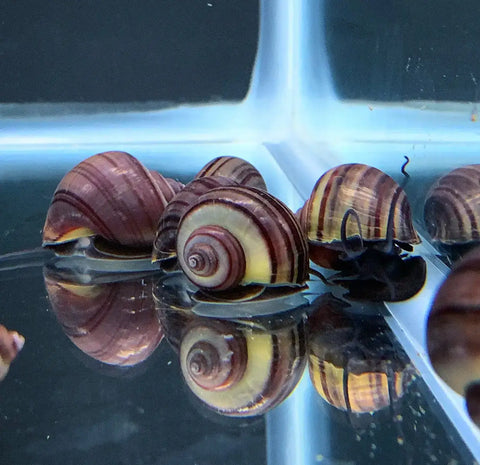
The Top 5 Reasons Your Mystery Snail is Floating
1. The Intended Air Bubble (Buoyancy Control)
Unlike many standard aquatic snails that rely purely on gills, mystery snails possess a dual breathing system: they have both a gill and a lung. They use a long, snorkel-like organ called a siphon to reach above the water line and pump fresh air into their lung cavity.
If a mystery snail decides it wants to travel to the other side of the tank without walking across the substrate, it will deliberately trap an extra bubble of oxygen inside its shell. This instantly transforms the heavy shell into a flotation device. They will bob around at the surface for hours or days until they choose to release the air and sink back down.
2. "Parasailing" and Riding the Current
Experienced aquarists affectionately call this "parasailing". Mystery snails are surprisingly intelligent when it comes to conserving energy. If they want to move down-current or transition rapidly across an aquarium, they will simply let go of the glass, float to the top, and ride the current created by your filter or air stone. If you see your snail periodically releasing small air bubbles or occasionally dipping its foot down to catch a plant leaf, it is enjoying a quick joyride.
3. Grazing on Surface Biofilm
Have you noticed your mystery snail floating completely upside down, with its fleshy foot spread flat against the very surface of the water? It looks alarming, but it is actually a feeding strategy. A fine, invisible layer of organic proteins and bacterial biofilm naturally accumulates at the surface of stagnant or low-flow water. Mystery snails use their foot to skim this layer, funneling high-protein microscopic food directly into their mouths.
4. Poor Water Parameters (Ammonia, Nitrite, and Nitrate Spike)
This is where floating becomes a warning sign rather than a quirky behavior. Mystery snails are highly sensitive to sudden changes in water chemistry—specifically elevated spikes in ammonia, nitrites, or excessive nitrates.
When the water quality deteriorates, the substrate and lower levels of the aquarium become toxic and uncomfortable. The snail responds by climbing to the top, trapping air, and staying floating at the surface where oxygen levels are highest and contact with toxic water is minimized. If your snail is floating with its trapdoor firmly shut and hasn't opened in days, you must test your water immediately.
5. Malnourishment or Severe Weakness
A common misconception is that mystery snails can survive entirely on aquarium algae. The truth is, mystery snails are voracious omnivores that require dedicated feeding. If they are not supplied with sinking pellets, blanched vegetables (like zucchini, kale, or spinach), and calcium supplements, they will slowly starve. A malnourished snail lacks the muscular strength to grip the glass or navigate currents. They easily lose their footing, fall, flip upside down, and become trapped at the surface by default buoyancy.
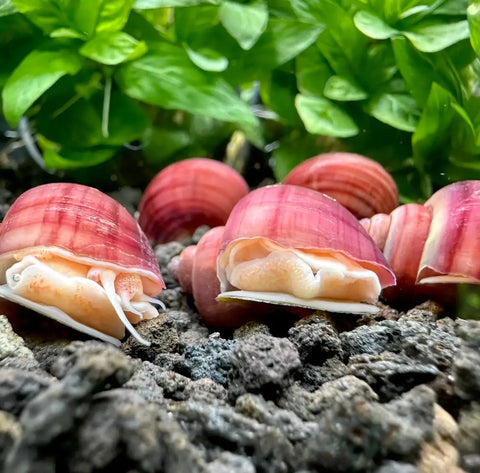
How to Tell If Your Floating Mystery Snail is Dead or Alive
Because mystery snails can remain closed up and floating for days while taking a long nap or dealing with stress, many hobbyists accidentally throw away live snails. Before you make that mistake, use these three definitive tests:
1. The Unmistakable "Sniff Test"
There is no nicer way to put this: a decomposing snail smells absolutely horrific. If a snail has passed away, the organic tissue decays rapidly. Take the floating snail out of the water and give it a sniff. If there is a pungent, foul, rotten-egg smell, the snail has unfortunately died and must be removed immediately to prevent an ammonia spike. If it smells like neutral aquarium water or wet dirt, it is still alive.
2. The Trapdoor Resiliency Test
Look closely at the operculum (the hard trapdoor that seals the snail inside its shell). If the snail is alive but resting or stressed, the trapdoor will be pulled tightly shut. Gently give the trapdoor a very light, careful tug with your fingernail or a pair of tweezers. If you feel resistance or if the snail pulls the door even tighter, it is alive. If the trapdoor hangs loosely open, falls off completely, or the tissue inside feels soft and mushy with zero muscle response, the snail has passed away.
Copper is Fatal! Always verify that any fish medications, plant fertilizers, or water treatments added to your tank are 100% copper-free. Even trace amounts of copper are highly toxic to mystery snails and invertebrates, causing paralysis, forced floating, and rapid death.
Step-by-Step Action Plan: What to Do Next
If you have identified that your mystery snail is floating, follow this structured checklist to ensure your aquarium environment is safe:
-
Perform a Water Test: Use a reliable liquid test kit to verify that Ammonia is 0 ppm, Nitrite is 0 ppm, and Nitrate is under 20 ppm. Ensure your pH remains stable between 7.0 and 8.0, as acidic water dissolves their calcium shells.
-
Check the Temperature: Mystery snails thrive in temperatures between 68°F to 84°F (20°C to 29°C). Drastic temperature drops can shock them into dormancy.
-
Verify Tank Mates: Are aggressive fish (like nipping tetras, barbs, or bettas) picking at the snail’s sensitive tentacles? Constant harassment will force a snail to stay closed up and float away to escape.
-
Supplement Their Diet: If water parameters are perfect, combat potential weakness by introducing high-calcium foods. Incorporate a piece of clean cuttlebone into your filter or feed them home-made "Snello" to boost shell density and muscle health.
More often than not, a floating mystery snail is just a healthy, quirky invertebrate exploring its environment or taking an effortless nap on the water currents. By keeping a close eye on water parameters, performing the regular "sniff test" when in doubt, and providing a calcium-rich diet, you can ensure your mystery snail lives a long, active, and happy life in your community aquarium.
Freshwater Aquarium Care Guides
Shop related: All Mystery Snails, Water Care, Aquarium Test Strips, Snail Algae Wafers.
Other blogs: How to fix and prevent cloudy aquarium water, The mystery snail care guide, The ultimate guide to co2 planted aquariums, Low-tech vs High-tech aquascaping.