
Whether you are designing a high-tech Iwagumi masterpiece or setting up your very first low-tech nano tank, choosing the right form of aquatic plants is one of the most critical decisions you will make.
When browsing an online plant store, you will generally see the same plant species offered in three distinct formats: Tissue Cultures (In-Vitro), Potted Plants, and Bunched (Bare Root) Plants. If you are still mapping out the rest of your tank layout, our freshwater aquarium setup guide offers a step-by-step roadmap to ensure your tank's hardware and substrate are ready for these plants to thrive.
While they all can grow into stunning underwater specimens, they differ wildly in terms of cost, pest risks, planting difficulty, and how quickly they adapt to your aquarium.
This comprehensive guide breaks down the exact differences between these three formats so you can maximize your budget, avoid catastrophic snail or algae outbreaks, and build a thriving, lush aquascape.
1. What Are Tissue Culture (In-Vitro) Aquatic Plants?
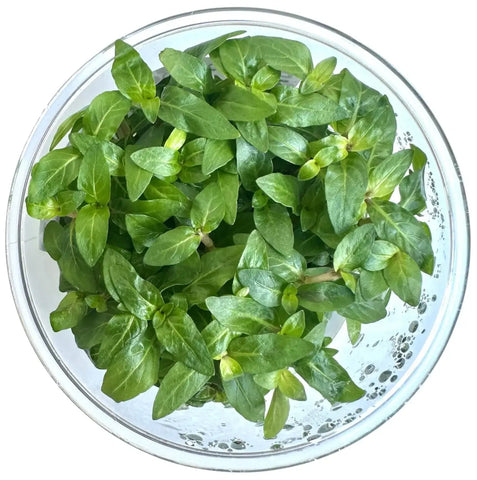
Tissue culture plants—often labeled as In-Vitro or "lab-grown"—are the gold standard of modern aquascaping. These plants are propagated in sterile, high-tech laboratory environments. Scientists take tiny tissue samples from a mother plant and place them into clear plastic cups filled with a nutrient-rich agar gel or liquid medium.
Because they are grown in a completely sealed, sterile environment, they never come into contact with the outside world until you open the cup.
The Pros:
-
100% Snail, Pest, and Algae-Free: This is their biggest selling point. Because they are grown in a sterile lab, it is biologically impossible for them to carry pest snails, snail eggs, duckweed, hydra, planaria, or nuisance algae into your pristine tank.
-
Massive Quantity (High Value): While a tissue culture cup might look small, it contains dozens of tiny, individual plantlets. When separated, one single cup can often cover the same surface area as 3 or 4 traditional pots.
-
Submersed Transition Ready: These plants are grown in hyper-humid environments, meaning their cell structures transition to underwater (submersed) growth much more easily and with less "melt" than emersed potted plants.
-
Easy Shipping & Storage: They can sit in their sealed cups on a shelf under a simple light for weeks before you need to plant them.
The Cons:
-
Fragile and Tiny: The plantlets are very small and delicate. You will absolutely need a pair of fine-tipped aquascaping tweezers (pinsettes) to plant them without crushing them.
-
Fish Vulnerability: Because they are small, boisterous fish (like large Corydoras, Goldfish, or Cichlids) can easily uproot or eat them before they establish a strong root system.
-
Requires Cleanup: You must thoroughly rinse away the sticky nutrient gel or liquid before planting, which adds an extra step to your scape day.
2. What Are Potted Aquatic Plants?
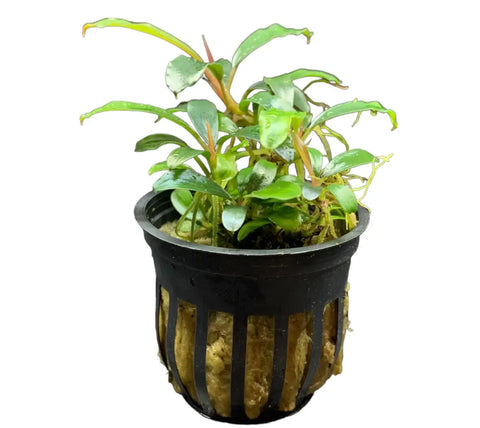
Potted plants are the traditional staple of the aquarium hobby. These plants are typically grown commercially in massive greenhouses, rooted in plastic net pots filled with rockwool (a fibrous material that retains moisture and nutrients).
Crucially, commercial growers cultivate these plants emersed (with their roots in water but their leaves out in the open air). Growing them out of water allows them to grow incredibly fast, develop thick stems, and stay completely free of aquatic algae before they reach your doorstep.
The Pros:
-
Robust and Mature: Potted plants come with established, strong root systems and mature stems. They are tough enough to withstand being handled by beginners and won't easily be dug up by bottom-dwelling fish.
-
Instant Impact: Because they are already mature, placing them in your tank gives you an instant "filled-in" look on Day 1.
-
Easy to Place: You can easily slide them out of the plastic pot, split the rockwool into a few large chunks, and bury them straight into your aqua soil.
The Cons:
-
The "Melt" Phase: Because they were grown in the open air, their leaves are adapted to breathe atmospheric CO2. When you submerge them in your aquarium, the plant, in many cases, will shed its air-breathing leaves and grow entirely new underwater leaves. This causes a "melting" phase where old leaves turn yellow and die off.
-
Pest and Snail Risk: If the greenhouse or the distributor keeps these pots in holding tanks with livestock, they can carry pest snail eggs, duckweed, or unwanted algae spores directly into your aquarium. Make sure you purchase your plants from reputable sellers.
3. What Are Bunched / Bare Root Aquatic Plants?
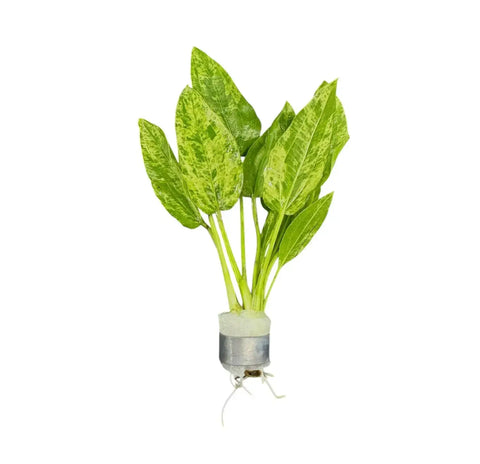
Bunched plants are the most budget-friendly option available. These are usually fast-growing stem plants (Rotala, Ludwigia, Bacopa, Vallisneria) that are harvested directly from farm ponds or greenhouses.
Growers gather several freshly cut stems together, wrap the bottom of the bunch in a foam strip, and secure it with a flexible metal lead weight or rubber band. They have no pots and usually very few, if any, developed roots when you buy them.
The Pros:
-
Extremely Inexpensive: Bunched plants are by far the cheapest way to buy aquatic plants. If you need to fill a massive background area on a budget, this is your best route.
-
Fast Growing: Most species sold in bunches are aggressive growers. They absorb water column nutrients rapidly, making them excellent choices for cycling a brand-new tank and fighting off early algae blooms.
-
No Rockwool to Clean: You simply remove the metal band, take off the foam wrap, and they are ready to plant.
The Cons:
-
Highest Risk of Pests: Because many bunched plants are harvested from outdoor or semi-outdoor ponds, they carry the risk of introducing wild pests like dragonfly larvae, leeches, snails, pondweed, and stubborn hair algae. It is important that you purchase plants from reputable sources to avoid these issues.
-
No Established Roots: They are essentially fresh cuttings. It will take them a few weeks in your substrate to establish a real root system.
Quick Comparison: Which Format Wins?
When evaluating these three types side-by-side, certain formats excel where others fall short:
-
Pest & Algae Prevention: Tissue Cultures win easily with a 0% risk profile.
-
Affordability: Bunched plants are the cheapest upfront option. Tissue cultures offer the best long-term value per individual plant stem, while Potted plants sit in the mid-to-high price range.
-
Root Maturity: Potted plants feature highly mature, dense root systems. Tissue cultures have micro-roots that are still developing.
-
Ease of Handling: Potted and Bunched plants are easy to grab and plant with your bare hands. Tissue cultures require delicate work with fine-tipped tweezers.
How to Choose the Right Format for Your Aquarium
To optimize both your budget and your sanity, you shouldn't just stick to one format. Experienced aquascapers mix and match these types based on the specific zones of their tank design.
Choose Tissue Cultures If:
-
You are trying to grow a carpeting plant like Monte Carlo, Glossostigma, or Dwarf Hairgrass. Splitting a single tissue cup into tiny plugs is the only efficient way to carpet a tank.
-
You have a shrimp-only tank or a high-end rimless setup where introducing a single pest snail or a strand of cladophora algae would ruin your hard work.
-
You are buying rare, slow-growing epiphytes like premium Bucephalandra or Anubias Nana Petite.
Choose Potted Plants If:
-
You want an instant focal point in your midground or background (such as a massive Amazon Sword, a thick Cryptocoryne Wendtii, or a mature Java Fern).
-
You have large, active fish like Angelfish, Discus, or Corydoras that will immediately pull micro-plants right out of the substrate.
-
You are a beginner who wants tough, hardy plants that are easy to handle with your bare hands.
Choose Bunched Plants If:
-
You are setting up a large aquarium (40+ gallons) and need a dense wall of background stems like Rotala Rotundifolia or Water Wisteria without breaking the bank.
-
You are setting up a low-tech "jungle style" tank where a few snails or natural elements aren't a concern.
-
You need fast-growing sacrificial plants to absorb excess nutrients during the initial cycling phase of your aquarium.
Pro-Tips for Preparation & Planting
No matter which format you choose, preparing them correctly ensures they thrive rather than melt away:
-
For Tissue Cultures: Fill a bowl with lukewarm water. Gently swirling the plant mass inside will loosen the agar gel. Use your fingers to massage the gel away entirely from the micro-roots. If left on, the gel can attract fungus inside your aquarium. Split the mass into 6 to 8 small plugs using sharp scissors.
-
For Potted Plants: Submerge the pot in a bucket of water and gently peel the rockwool away from the roots. Don't worry if you snap a few minor roots; aquatic plants are highly resilient. Trim exceptionally long roots down to about 1 inch to stimulate explosive new root growth once planted.
-
For Bunched Plants: Discard the metal lead weight and foam wrap. Avoid planting the entire bunch together as a single clump—the stems in the center will suffocate from a lack of light and may rot. Instead, separate the bunch and plant each individual stem about half an inch apart from one another.
Freshwater Aquarium Care Guides
Shop related: All Plants, Potted Plants, Bunched Plants, Aquascaping Tools, Aquarium Test Strips, Plant Fertilizers.
Other Blogs: Stem Plant Propagation, How Many Hours of Light Do Aquarium Plants Need, Choosing the Best Aquarium Plant Substrate, Top 5 Aquarium Plant Deficiencies in a Freshwater Aquarium.